
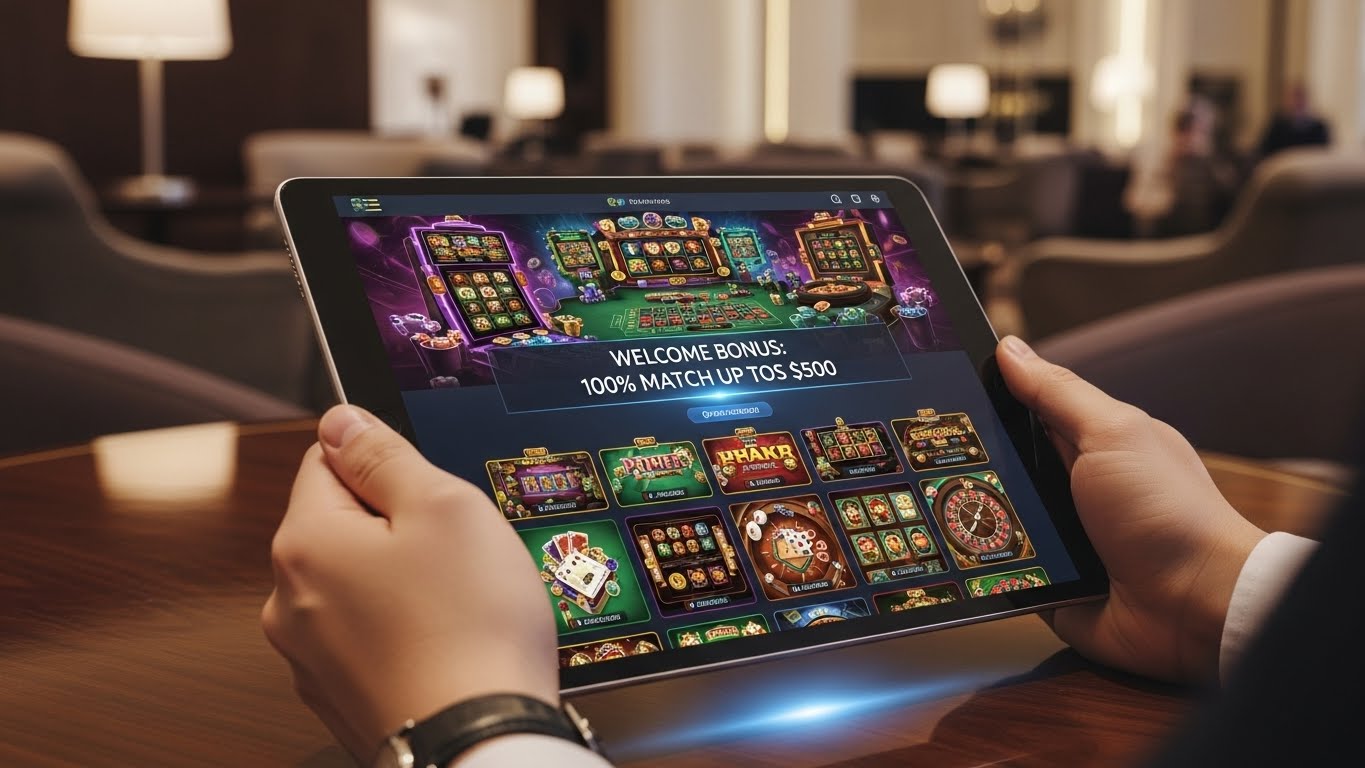
The world of gaming has undergone a dramatic transformation in the last two decades. From simple arcade games to immersive, interactive experiences, gaming has become more sophisticated, accessible, and global. At the heart of this evolution lies iGaming, a sector that combines technology, entertainment, and gambling into one dynamic industry. But what exactly is iGaming, and why is it creating such a buzz worldwide? This article explores the fascinating world of iGaming, its technological advancements, market trends, and the future of online gaming.
Understanding iGaming
iGaming, short for interactive gaming, refers to online gambling or betting activities conducted over the internet. It includes a broad spectrum of digital gaming experiences, ranging from online casinos and poker to sports betting and lotteries. Unlike traditional gambling, which requires a physical presence, iGaming allows players to engage with games and betting platforms anytime and anywhere. This accessibility has contributed significantly to its rapid growth, attracting millions of users globally.
The appeal of iGaming is not just convenience; it also offers a level of immersion and interactivity that traditional gaming cannot match. Players can enjoy realistic graphics, live dealer experiences, and instant payouts, making online gambling both entertaining and rewarding. Furthermore, the industry has continuously adapted to emerging technologies, ensuring that the user experience is seamless and engaging.
Technological Advancements Driving iGaming
One of the main drivers behind the explosive growth of iGaming is technology. Several technological innovations have transformed the way people interact with online gambling platforms.
High-Quality Graphics and User Interfaces
Modern iGaming platforms offer visually stunning experiences that rival even high-end video games. Advanced graphics, animation, and sound effects make online casinos feel authentic. User-friendly interfaces ensure that players can easily navigate platforms, understand game mechanics, and enjoy a smooth gaming experience.
Mobile Gaming
The rise of smartphones has revolutionized iGaming. Mobile-optimized platforms allow users to play their favorite games on the go. Whether commuting, waiting in line, or relaxing at home, players can access games through apps or mobile websites. This convenience has expanded the market and made online gambling a part of daily life for millions.
Live Dealer Games
Live dealer games represent a bridge between traditional and digital gambling. Using high-definition streaming and real-time interaction, these games offer players the experience of a real casino from the comfort of their homes. Professional dealers manage the games, and players can chat, place bets, and even interact with other players, creating a highly social and engaging environment.
Artificial Intelligence and Personalization
Artificial intelligence (AI) has enhanced iGaming by offering personalized experiences. AI algorithms analyze player behavior to recommend games, promotions, and strategies tailored to individual preferences. This personalization increases engagement and keeps players invested in the platform for longer periods.
Blockchain and Cryptocurrencies
Blockchain technology and cryptocurrencies are transforming how transactions occur within iGaming platforms. Cryptocurrencies offer fast, secure, and anonymous payment options, while blockchain ensures transparency and fairness in game outcomes. These innovations are particularly appealing to players concerned about security and fairness in online gambling.
Market Trends in iGaming
The iGaming industry has experienced remarkable growth in recent years, with trends indicating continued expansion. Several factors contribute to this upward trajectory.
Global Expansion
iGaming is no longer confined to regions with a traditional gambling culture. Countries across Europe, Asia, and North America are embracing online gambling, often driven by regulatory reforms that allow licensed operators to enter local markets. This global expansion has created a highly competitive and innovative industry.
Esports Betting
Esports has emerged as a significant market within iGaming. Competitive gaming events attract millions of viewers, and betting on these events has become increasingly popular. Esports betting offers new opportunities for operators and creates a unique experience for younger audiences who are already familiar with gaming culture.
Gamification and Rewards
Gamification techniques, such as loyalty programs, achievements, and challenges, have become crucial in retaining players. By adding layers of reward and competition, iGaming platforms create a more engaging environment that keeps users coming back. Gamification also encourages responsible gaming by promoting milestones and structured play rather than impulsive betting.
Regulatory Changes
Regulations have played a critical role in shaping the iGaming landscape. Many countries have introduced laws to legalize and regulate online gambling, ensuring player protection and responsible gaming. While regulation increases operational costs for platforms, it also builds trust among players, contributing to long-term growth.
The Social Aspect of iGaming
Contrary to the perception of online gambling as a solitary activity, iGaming has a vibrant social dimension. Multiplayer games, chat features, and live dealer interactions foster a sense of community among players. Online tournaments and competitions allow users to connect with others globally, creating friendships and rivalries that mirror traditional gaming culture.
Moreover, social engagement in iGaming platforms extends beyond gameplay. Many operators organize events, giveaways, and online forums to keep players involved. This social layer enhances the overall experience and reinforces player loyalty, which is essential in a competitive market.
Responsible Gaming and Safety Measures
With the rapid growth of iGaming, player safety and responsible gaming have become paramount. Platforms are implementing advanced measures to prevent addiction and ensure fair play.
Age Verification and Identity Checks
Ensuring that only legal users can access gambling platforms is critical. Most iGaming platforms use age verification, identity checks, and secure login protocols to comply with legal requirements and protect vulnerable populations.
Betting Limits and Self-Exclusion Tools
Players can set limits on deposits, wagers, and losses to maintain control over their gambling activities. Self-exclusion tools allow users to temporarily or permanently block access to platforms if they feel their gambling is becoming problematic. These tools demonstrate the industry’s commitment to responsible gaming.
Encryption and Data Security
Secure platforms are essential for protecting sensitive player information. Advanced encryption technologies ensure that financial transactions and personal data remain confidential, reducing the risk of fraud and hacking. Platforms that prioritize security build trust and encourage long-term engagement.
Challenges Facing the iGaming Industry
Despite its rapid growth, the iGaming industry faces several challenges that require strategic solutions.
Legal and Regulatory Variability
Different countries have varying laws regarding online gambling, creating a complex regulatory environment for operators. Navigating licensing requirements, tax regulations, and compliance standards can be challenging, particularly for global platforms.
Problem Gambling
While technological advancements enhance the player experience, they can also contribute to addictive behavior. Ensuring responsible gambling practices while maintaining engagement is an ongoing challenge for the industry.
Competition and Market Saturation
As the iGaming market grows, competition intensifies. Platforms must innovate continuously, offering unique games, better user experiences, and attractive promotions to differentiate themselves. Failure to adapt can result in a decline in user engagement.
The Future of iGaming
The future of iGaming is poised for further growth and innovation. Emerging technologies and evolving player preferences will shape the industry in exciting ways.
Virtual Reality and Augmented Reality
Virtual reality (VR) and augmented reality (AR) are set to revolutionize iGaming by providing fully immersive experiences. Players could step into a virtual casino, interact with other users, and experience games in a 3D environment that mimics real-life scenarios. AR technology could overlay game elements onto real-world surroundings, further enhancing interactivity.
Advanced AI and Machine Learning
AI and machine learning will continue to personalize gaming experiences, improve customer support, and enhance fraud detection. These technologies will also enable predictive analytics, helping platforms understand player behavior and optimize game offerings accordingly.
Sustainable and Ethical Gaming
As players become more conscious of ethical issues, iGaming platforms may adopt sustainable practices, including fair play certifications, responsible gaming programs, and transparent reporting. Ethical considerations could become a key differentiator in the market.
Integration with Entertainment Ecosystems
The convergence of gaming, social media, and streaming platforms may create a holistic entertainment ecosystem. Players could seamlessly transition between gaming, watching live streams, and interacting on social platforms, blurring the lines between different forms of digital entertainment.
Conclusion
iGaming is no longer a niche sector; it has become a mainstream form of entertainment that blends technology, strategy, and social interaction. The industry’s rapid growth is driven by innovation, accessibility, and the ability to provide immersive experiences that appeal to a diverse global audience. While challenges such as regulation, competition, and responsible gaming remain, the future of iGaming looks promising.
From AI-powered personalization to virtual reality casinos, the possibilities are limitless. For players, this means more engaging, secure, and enjoyable gaming experiences. For operators, it offers opportunities to innovate, expand, and redefine what online gaming can be. One thing is certain: iGaming is not just a passing trend—it is a transformative force reshaping the landscape of digital entertainment.
The evolution of iGaming reflects a broader shift in how people interact with digital technology, emphasizing convenience, engagement, and personalization. As this industry continues to innovate and adapt, it will undoubtedly remain at the forefront of online entertainment, offering exciting opportunities for players and businesses alike.