
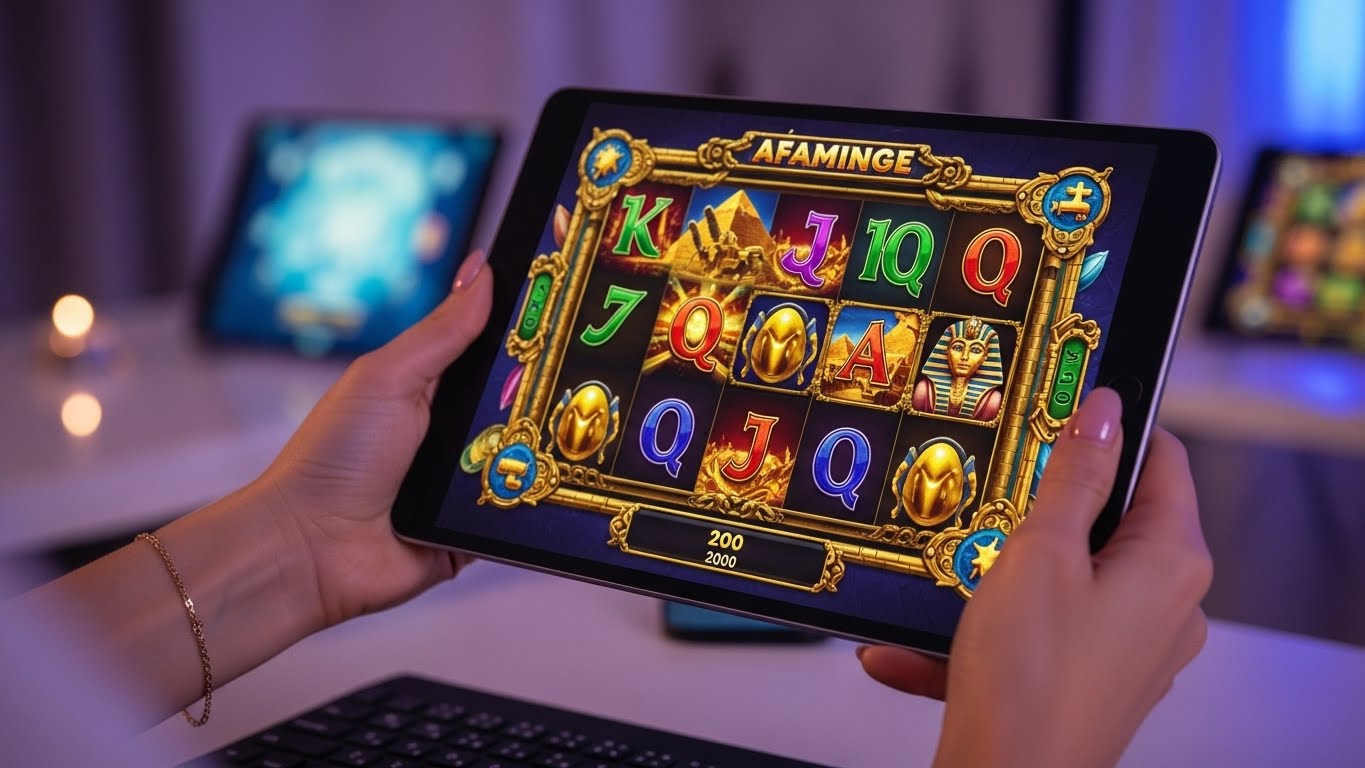
Games have been an integral part of human culture for centuries. From ancient board games to modern digital experiences, games have evolved into a complex and multifaceted form of entertainment that engages the mind, tests skills, and fosters social connections. In this blog, we will explore different types of games, their unique appeal, and the impact they have on our lives. Whether you are a casual gamer or a dedicated enthusiast, games offer something for everyone.
The Evolution of Games Through History
The history of games stretches back thousands of years, reflecting the human desire for competition, strategy, and storytelling. Ancient civilizations created games that were both recreational and educational. The Egyptians, for example, played a board game called Senet, which involved strategy and chance. The Romans enjoyed games like Latrunculi, which tested tactical thinking and planning. As centuries passed, games evolved into card games, dice games, and board games that were popular across Europe and Asia. The 20th century brought a revolutionary shift with the advent of video games, transforming the way people interacted with games. Today, games encompass a wide range of genres and formats, including video games, tabletop games, role-playing games, and more.
Board Games: Strategy and Social Interaction
Board games have remained popular throughout history due to their combination of strategy, competition, and social interaction. Games such as chess and Go are renowned for their deep strategic elements, requiring players to think several moves ahead. Modern board games, however, have expanded into more creative and immersive experiences. Games like Catan and Ticket to Ride focus on resource management and planning, allowing players to explore new worlds and scenarios. The appeal of board games lies not only in the gameplay itself but also in the opportunity to bond with friends and family. Playing a board game provides a unique social experience that fosters communication, teamwork, and friendly competition.
Video Games: Immersion and Storytelling
The rise of video games has revolutionized entertainment, offering experiences that go far beyond traditional forms of play. Video games combine visuals, audio, and interactive storytelling to create immersive worlds that captivate players. Popular genres include action, adventure, role-playing, simulation, and strategy games, each offering distinct challenges and rewards. Role-playing games, for instance, allow players to assume the identity of a character and navigate complex narratives, while strategy games challenge players to plan and execute intricate tactics. Video games are not only a source of fun but also an outlet for creativity and problem-solving. They encourage critical thinking, coordination, and decision-making, making them both entertaining and intellectually stimulating.
Puzzle Games: Exercising the Mind
Puzzle games are a unique genre that focuses on mental challenges rather than physical action. These games require players to solve problems, decipher patterns, and think creatively. Classic examples include Sudoku, crosswords, and logic puzzles, which have been enjoyed for generations. In the digital age, puzzle games have become more diverse and interactive. Games like Portal, The Witness, and Tetris test spatial reasoning, timing, and strategic thinking. Puzzle games offer a sense of satisfaction and accomplishment as players overcome increasingly complex challenges. They are a perfect blend of entertainment and mental exercise, promoting cognitive development and enhancing problem-solving skills.
Role-Playing Games: Creativity and Identity
Role-playing games, both tabletop and digital, allow players to explore creativity and self-expression. In tabletop RPGs like Dungeons and Dragons, players create characters, develop backstories, and embark on imaginative adventures guided by a game master. Digital RPGs offer expansive worlds with intricate storylines, character development, and interactive quests. The appeal of role-playing games lies in their ability to provide a sense of agency and freedom. Players can make choices that impact the story, explore alternate realities, and experience emotions through their characters. This genre encourages creativity, empathy, and collaboration, making it a powerful form of storytelling and personal growth.
Sports Games: Competition and Athleticism
Sports games, whether physical or digital, tap into the excitement of athletic competition. Traditional sports games such as soccer, basketball, and tennis allow players to test their physical abilities and teamwork. Video game adaptations of sports offer realistic simulations, allowing players to experience the thrill of professional competition from the comfort of their homes. Games like FIFA, NBA 2K, and Madden NFL combine strategy, skill, and reflexes, making them highly engaging. Sports games foster a sense of community, as players can compete against friends, join online leagues, and participate in tournaments. They also promote discipline, focus, and sportsmanship, bridging the gap between entertainment and physical fitness.
Adventure Games: Exploration and Discovery
Adventure games are designed to spark curiosity and inspire exploration. These games often involve narrative-driven experiences where players uncover mysteries, solve puzzles, and interact with unique environments. Classics such as The Legend of Zelda and modern titles like Red Dead Redemption offer immersive worlds filled with secrets and challenges. Adventure games combine storytelling, problem-solving, and exploration, creating a sense of wonder and excitement. Players are encouraged to engage with the game world, discover hidden elements, and piece together intricate narratives. The genre appeals to those who enjoy a combination of creativity, strategy, and curiosity, providing a deeply rewarding gaming experience.
Simulation Games: Experiencing New Realities
Simulation games provide players with the opportunity to experience scenarios that may not be possible in real life. These games range from life simulations like The Sims to flight simulators and city-building games. Simulation games often focus on decision-making, resource management, and planning, allowing players to experiment with different strategies and outcomes. The appeal of simulation games lies in their ability to offer control and creativity. Players can create unique worlds, manage complex systems, and observe the consequences of their actions. This genre promotes critical thinking, planning, and attention to detail, making it both educational and entertaining.
Multiplayer and Online Games: Building Communities
The rise of online multiplayer games has transformed gaming into a social and collaborative experience. Games like Fortnite, World of Warcraft, and Among Us allow players to connect with others from around the world, forming communities and teams. Multiplayer games offer a combination of competition, cooperation, and strategy, as players work together to achieve goals or compete against each other. Online gaming communities foster social interaction, communication, and teamwork. They also provide a platform for sharing experiences, learning new skills, and building friendships. Multiplayer and online games demonstrate how gaming has become more than just entertainment; it is a medium for connection and collaboration.
The Psychological Benefits of Gaming
Beyond entertainment, games offer numerous psychological and cognitive benefits. Playing games can improve memory, attention, and problem-solving skills. Strategy and puzzle games enhance critical thinking and planning, while role-playing games encourage empathy and emotional understanding. Multiplayer games promote communication, cooperation, and social bonding. Gaming can also serve as a stress-relief tool, providing an immersive escape from daily pressures. Research has shown that moderate gaming can enhance cognitive flexibility, reaction times, and decision-making abilities. In this way, games contribute to both mental wellness and personal development.
The Cultural Impact of Games
Games have become a significant cultural phenomenon, influencing art, media, and society. Popular games often inspire fan art, literature, and community events, creating shared experiences and cultural touchstones. E-sports have emerged as a major global industry, showcasing competitive gaming at a professional level. Video games also provide platforms for storytelling, artistic expression, and social commentary, exploring themes such as morality, identity, and human nature. The cultural impact of games extends beyond entertainment, shaping how people interact, think, and create. Games have become a language of their own, connecting people across cultures and generations.
The Future of Gaming
The future of gaming promises even more innovation and immersion. Advances in technology such as virtual reality, augmented reality, and artificial intelligence are transforming how players experience games. Virtual reality offers fully immersive worlds where players can interact physically with the environment, while augmented reality blends digital and real-world experiences. Artificial intelligence is enabling more intelligent and adaptive game mechanics, creating dynamic and personalized experiences. The gaming industry is also becoming more inclusive and diverse, offering experiences that cater to different interests, cultures, and abilities. The future of gaming is not just about playing; it is about creating, exploring, and connecting in ways that were once unimaginable.
Conclusion: Games as a Gateway to Imagination
Games are more than mere entertainment; they are a reflection of human creativity, intellect, and social connection. From board games to virtual worlds, games offer experiences that challenge the mind, spark imagination, and foster collaboration. They provide a unique blend of fun, learning, and emotional engagement, making them a vital part of modern culture. Whether solving puzzles, strategizing in a multiplayer battle, or exploring fantastical worlds, games allow us to step into new realities and embrace our curiosity. As technology continues to evolve, the world of games will expand, offering endless possibilities for adventure, creativity, and connection. Games are not just a pastime; they are a celebration of the human spirit and its unending quest for discovery.