
Introduction to iGaming
The rise of digital platforms has significantly transformed the global entertainment industry, and one of the most rapidly growing sectors within this transformation is iGaming. Short for “Internet Gaming,” iGaming encompasses all forms of online gambling, including sports betting, casino games, poker, and virtual betting. This multi-billion-dollar industry has exploded in recent years, driven by advancements in technology, increased internet accessibility, and changing societal attitudes toward gambling. As a result, iGaming has evolved from a niche pastime into a global phenomenon.
This blog post explores the evolution of iGaming, key trends influencing the market, technological advancements shaping the sector, and the future trajectory of online gambling.
What is iGaming?
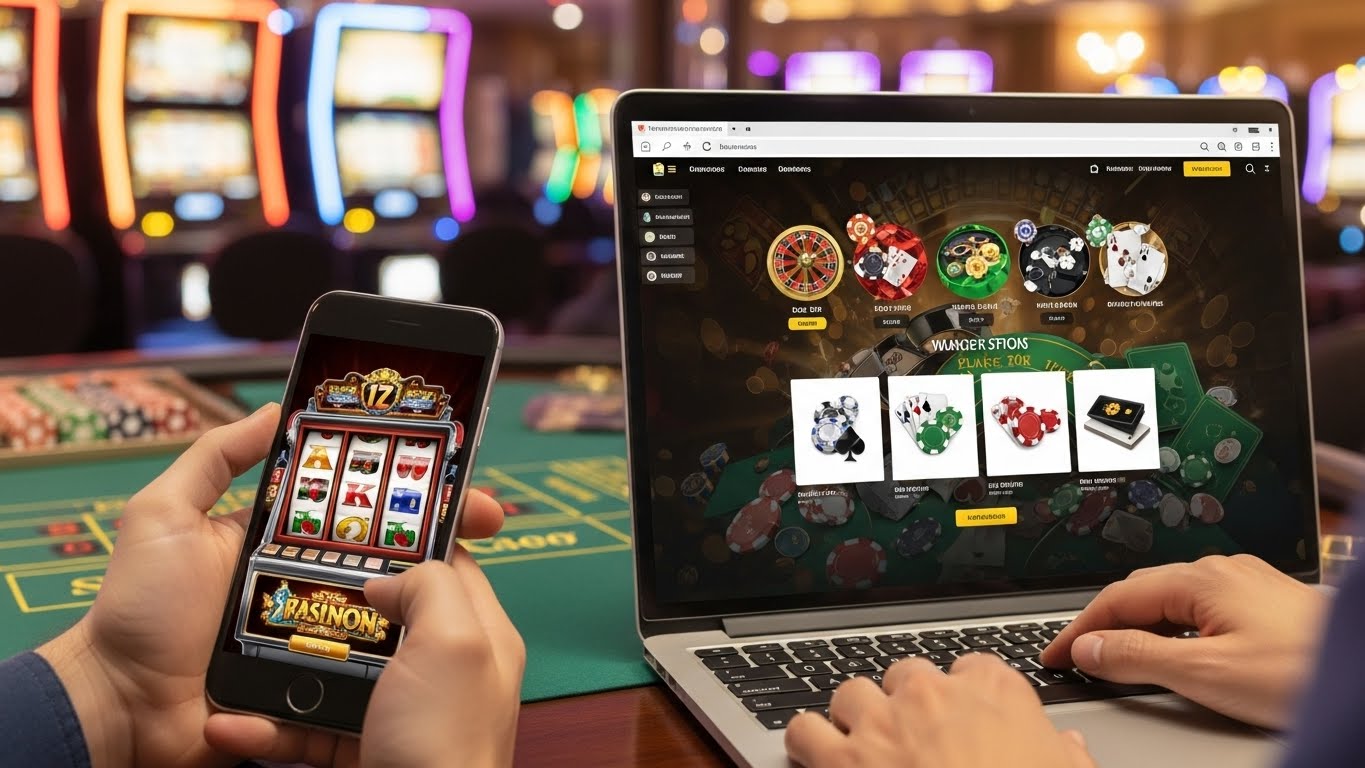
iGaming refers to gambling activities that take place on the internet. It includes a wide range of betting activities such as online casinos, virtual poker rooms, sports betting platforms, and lottery games. Unlike traditional gambling, where players visit brick-and-mortar casinos or betting shops, iGaming allows individuals to place bets, play games, and engage in betting activities from the comfort of their homes, using a variety of devices, including desktops, laptops, tablets, and smartphones.
What makes iGaming unique is the broad spectrum of activities it covers. Online casinos offer traditional games like blackjack, roulette, and slots, while sports betting platforms allow users to wager on everything from football and basketball to esports and virtual sports. The convenience, accessibility, and variety of games offered by iGaming platforms are the primary reasons for its growing popularity.
The Growth and Popularity of iGaming
The history of iGaming dates back to the 1990s when the first online casino launched. Initially, the experience was rudimentary, with basic websites offering a limited selection of games. However, as technology advanced and the internet became more accessible, iGaming platforms began to evolve, offering better graphics, more games, and a more immersive experience. By the early 2000s, online casinos were gaining traction, and the first online sportsbooks began to appear, further expanding the scope of iGaming.
As internet speeds improved, mobile devices became more sophisticated, and regulatory frameworks surrounding online gambling started to emerge, the iGaming industry began to experience significant growth. Today, iGaming is a multi-billion-dollar industry, with millions of players participating in online gambling activities worldwide. The global nature of the internet has allowed iGaming platforms to reach players in regions where traditional gambling is limited or restricted.
Key Trends Shaping the iGaming Industry
1. Mobile Gaming Revolution
The advent of smartphones and tablets has significantly impacted the iGaming industry. As mobile technology has advanced, players can now enjoy gambling activities on-the-go, anytime and anywhere. Mobile gaming has made online gambling more convenient and accessible, reaching a much broader audience than ever before.
Many iGaming operators have developed dedicated mobile apps and mobile-optimized websites to ensure that players have a seamless gaming experience on their devices. With the ability to place bets, play slots, or join live dealer games directly from their smartphones, players are no longer tied to a desktop computer to engage with their favorite gambling platforms.
2. The Emergence of Live Dealer Games
Live dealer games have become a staple of the modern iGaming experience. These games feature real human dealers who interact with players in real time through high-definition video streaming. Popular games such as live blackjack, live roulette, and live baccarat allow players to engage in real-time gambling in a highly realistic environment.
The rise of live dealer games has brought a more authentic casino experience to online players. Unlike traditional online casino games that rely on Random Number Generators (RNGs), live dealer games offer a human element that appeals to players who want to replicate the atmosphere of a land-based casino from the comfort of their homes.
3. Virtual Reality and Augmented Reality in iGaming
As the world of technology continues to evolve, virtual reality (VR) and augmented reality (AR) are beginning to make their mark on the iGaming sector. Both VR and AR promise to enhance the gaming experience by immersing players in interactive and realistic virtual environments.
VR casinos offer players the chance to walk through virtual casino floors, sit at tables, and interact with other players in a 3D environment. This technology can make online gambling feel more like the real thing, providing a unique, immersive experience. On the other hand, AR technology allows players to overlay digital elements onto the physical world. For example, sports betting apps could use AR to provide real-time stats and odds projections, enhancing the in-game experience for players.
As VR and AR technology become more mainstream, iGaming platforms will continue to explore ways to incorporate these technologies into their offerings, creating even more engaging experiences for players.
4. The Role of Cryptocurrencies in iGaming
Cryptocurrencies have rapidly gained traction across various industries, and iGaming is no exception. The use of cryptocurrencies, such as Bitcoin, Ethereum, and other digital currencies, has introduced a new level of convenience and security to the online gambling world. Many iGaming platforms now accept cryptocurrencies as payment, allowing players to deposit and withdraw funds without needing to use traditional banking methods.
Cryptocurrencies offer numerous benefits for iGaming operators and players alike. They enable faster transactions with lower fees and offer enhanced privacy and security. Additionally, cryptocurrencies have opened up new opportunities for cross-border gambling, making it easier for players in different parts of the world to participate in iGaming without being hindered by exchange rates or banking restrictions.
Blockchain technology, which underpins cryptocurrencies, also provides transparency and fairness in the gambling industry. Blockchain enables players to verify that the games they are playing are not rigged, ensuring a fair gambling experience.
5. Esports Betting
Esports, or competitive video gaming, has exploded in popularity in recent years. Professional esports tournaments now attract millions of viewers globally, and the industry is projected to continue growing. This rise in esports has given birth to a new niche within iGaming: esports betting.
Just like traditional sports betting, esports betting allows players to wager on competitive video gaming events. This has attracted a new generation of bettors, many of whom are avid gamers themselves. Esports betting covers a wide variety of games, including popular titles like League of Legends, Dota 2, and Counter-Strike: Global Offensive.
As esports continues to gain popularity, the demand for esports betting platforms is likely to rise. This trend is further fueled by the fact that esports tournaments are held year-round, providing continuous opportunities for fans to place bets on their favorite teams and players.
6. Enhanced Security and Responsible Gambling Measures
As the iGaming industry continues to grow, so too does the need for enhanced security and responsible gambling measures. Many online gambling platforms now use advanced encryption technologies to protect players’ personal and financial information. Moreover, strict regulatory requirements have been implemented in many jurisdictions to ensure that iGaming operators provide a safe, secure, and fair environment for players.
Additionally, responsible gambling has become a key focus for many iGaming operators. With the rise of online gambling, the potential for addiction and financial harm has increased. To mitigate these risks, operators offer self-exclusion programs, betting limits, and access to support services for players who may struggle with gambling addiction. In many regions, iGaming companies are required to comply with responsible gambling standards to protect vulnerable players and maintain a fair playing field.
The Economic Impact of iGaming
The iGaming industry has not only created a new form of entertainment but has also contributed significantly to the global economy. Online gambling generates billions of dollars in revenue annually, providing jobs, stimulating local economies, and generating tax income for governments.
In regions where online gambling is legal, iGaming platforms employ thousands of people, from game developers and software engineers to customer support teams and marketing professionals. The industry also creates a significant amount of indirect economic activity, such as tourism, with some areas benefiting from the popularity of online casinos and betting platforms.
Additionally, the tax revenue generated from iGaming can be substantial. Many governments use this revenue to fund public services, infrastructure, and social programs.
The Future of iGaming
As technology continues to advance, the future of iGaming looks brighter than ever. Artificial Intelligence (AI), machine learning, and 5G networks are all poised to revolutionize the iGaming landscape. AI could be used to personalize the gambling experience, offering tailored game recommendations and improving customer service through chatbots and virtual assistants. 5G technology will provide faster, more stable internet connections, enhancing mobile and live dealer experiences, while also enabling real-time betting and interactions.
The integration of new gaming technologies, including blockchain and virtual reality, will continue to enhance the player experience. As a result, we can expect to see even more immersive, engaging, and secure iGaming platforms in the future.
Moreover, as online gambling becomes more accepted globally, regulatory frameworks will continue to evolve to ensure that iGaming remains a safe, fair, and responsible activity. Striking the right balance between innovation and regulation will be crucial for the long-term success of the iGaming industry.
Conclusion
iGaming has come a long way since its inception, evolving into a dynamic, multi-faceted industry that spans online casinos, sports betting, poker, esports, and more. As technology continues to drive the sector’s growth, new innovations such as mobile gaming, live dealer games, virtual reality, and cryptocurrency integration are transforming the way people engage with online gambling.
The future of iGaming is bright, with an increasing focus on user experience, security, and responsible gambling. As the industry continues to evolve, it will remain a central player in the broader entertainment sector, offering players an exciting and diverse range of gaming opportunities in a secure, accessible, and regulated environment.