
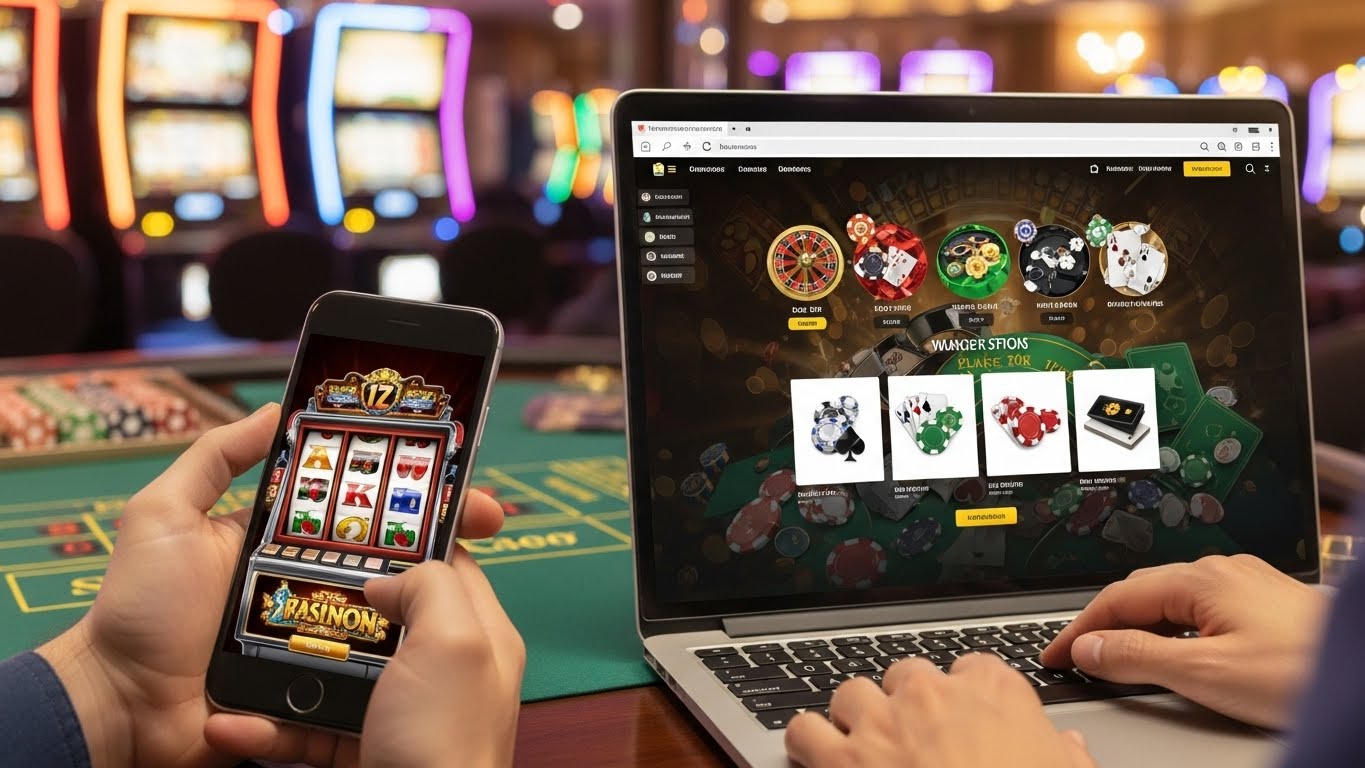
iGaming, a term often used to describe internet-based gambling activities, has witnessed explosive growth in recent years. From online casinos to sports betting, and from poker rooms to virtual gaming, the online gambling world has transformed into a multi-billion-dollar industry. It encompasses a wide range of gaming activities that can be enjoyed on computers, smartphones, and tablets. This article explores the evolution of iGaming, its current state, emerging trends, and the future of online gaming.
The Evolution of iGaming
Early Beginnings
The origins of iGaming date back to the mid-1990s, a time when the internet was still in its nascent stages. The first online casinos appeared in 1994, when the Caribbean nation of Antigua and Barbuda passed the Free Trade and Processing Act, allowing the licensing of online gambling operations. This paved the way for the first online gambling platforms to emerge, with players able to wager on games like blackjack, roulette, and slots without leaving their homes.
In the years that followed, software providers such as Microgaming and Playtech entered the market, developing advanced systems and games for online casinos. This period marked the beginning of a new era for gambling, one where the thrill of casino games was no longer confined to brick-and-mortar establishments.
The Expansion of iGaming
As internet access became more widespread in the early 2000s, the iGaming industry experienced rapid growth. More countries started to regulate online gambling, providing a legal framework that allowed operators to offer their services to players from different parts of the world. The rise of online poker, sports betting, and mobile gaming helped propel the industry to new heights.
The major breakthrough came with the launch of live dealer games in the late 2000s, which bridged the gap between traditional brick-and-mortar casinos and the online gaming world. Live dealer casinos allowed players to interact with real dealers via live streaming, making the gaming experience much more immersive.
iGaming Today
Fast forward to the present, and iGaming has become a massive global industry. With advanced technologies such as virtual reality (VR), augmented reality (AR), and artificial intelligence (AI), the online gambling landscape has evolved significantly. Players now have access to a wider range of games, including traditional casino offerings, live sports betting, eSports betting, and innovative new formats like skill-based games and virtual sports.
The availability of mobile gaming apps has also made iGaming more accessible than ever before. Players can now gamble anywhere, anytime, on devices ranging from smartphones to smartwatches, contributing to the industry’s ongoing growth.
Key Sectors of the iGaming Industry
Online Casinos
Online casinos are the cornerstone of the iGaming industry. They offer a variety of games such as slots, poker, blackjack, baccarat, and roulette. These games are powered by software developers who create sophisticated platforms to ensure a seamless gaming experience.
Slot games, in particular, have become one of the most popular types of games in online casinos. With a wide range of themes, features, and payout structures, online slots attract millions of players worldwide. Progressive jackpots, where players can win enormous sums of money, have also added an element of excitement to online casino gaming.
Sports Betting
Sports betting is another significant segment within the iGaming industry. Online sportsbooks allow players to place bets on a variety of sports, including football, basketball, baseball, tennis, and even niche sports like esports. Betting options range from traditional point spread bets to more innovative markets like in-play betting and prop bets.
In recent years, sports betting has gained a new level of legitimacy, especially in countries like the United States, where individual states have begun to legalize online sports betting. As a result, sportsbooks have become a major revenue driver for iGaming operators.
Esports and Fantasy Sports
Esports, competitive video gaming, has become a global phenomenon, and the betting world has caught up with this trend. Online platforms now offer a variety of betting options for esports tournaments, covering games like League of Legends, Dota 2, and Counter-Strike: Global Offensive. Esports betting has become so popular that some major sportsbooks now offer dedicated sections for esports events.
Fantasy sports are also on the rise, with players creating virtual teams and competing against one another based on the real-life performance of athletes. Fantasy football, basketball, and baseball leagues dominate the space, but the growing popularity of daily fantasy sports (DFS) has attracted a younger demographic of players who enjoy the quick, action-packed nature of DFS contests.
Poker
Online poker rooms have been a staple of the iGaming landscape for over two decades. The allure of poker lies in its strategic depth and the potential for high payouts, with millions of players worldwide competing for life-changing prizes. Major online poker platforms like PokerStars, partypoker, and 888poker have expanded their offerings over the years, including tournaments, cash games, and mobile apps that allow players to compete on the go.
The online poker community is robust, with frequent tournaments such as the World Series of Poker (WSOP) online and various high-stakes games that attract professional and amateur players alike.
Technology and Innovation in iGaming
The Role of Mobile Gaming
Mobile gaming has arguably been one of the biggest catalysts for iGaming’s success. The ability to access online casinos, sports betting platforms, and poker rooms on smartphones and tablets has made gambling more convenient for players. The development of mobile-optimized sites and dedicated apps ensures that players can enjoy a seamless experience, whether they’re at home or on the move.
With the rise of mobile gaming, developers have focused on creating more interactive and immersive games. For example, mobile slots now include features like touchscreen controls, gyroscopic motion, and augmented reality elements to make the experience feel more engaging.
Virtual Reality (VR) and Augmented Reality (AR)
Virtual reality and augmented reality are poised to change the way people experience iGaming. VR casinos, for instance, offer players the chance to step into a virtual environment where they can interact with dealers and other players in real time. This immersive experience makes online gambling feel like a traditional brick-and-mortar casino, with the added benefits of convenience and accessibility.
Augmented reality, on the other hand, can enhance mobile gaming experiences by overlaying digital elements onto the real world. Players may soon be able to enjoy interactive slot machines, card games, and live dealer experiences through their mobile devices with AR technology.
Artificial Intelligence (AI)
Artificial intelligence is also playing a significant role in shaping the future of iGaming. AI is being used to enhance personalization by recommending games based on a player’s preferences, habits, and playing history. Additionally, AI is being integrated into responsible gambling tools, helping operators identify at-risk players and provide them with support.
AI is also being used to improve customer service in iGaming platforms. Chatbots powered by AI are capable of answering customer queries instantly, ensuring that players receive fast and efficient support.
The Regulatory Landscape of iGaming
As iGaming grows in popularity, regulation has become an important issue. Different countries have adopted varying stances on online gambling, with some countries fully legalizing and regulating it, while others have strict bans in place. In regions where online gambling is legal, operators must comply with strict licensing requirements to ensure fair play and protect players.
In the European Union, for example, countries like the United Kingdom, Malta, and Gibraltar have established robust regulatory frameworks for online gambling. These regulations ensure that operators adhere to high standards of fairness, transparency, and responsible gaming.
However, in markets like the United States, online gambling laws vary significantly between states. The legalization of online sports betting in some states, coupled with ongoing debates about the regulation of online casinos and poker, indicates that the regulatory landscape is still evolving.
The Future of iGaming
Integration with Emerging Technologies
As technology continues to advance, the iGaming industry is likely to become even more integrated with emerging technologies like blockchain, cryptocurrency, and 5G. Blockchain technology could enable decentralized gambling platforms, ensuring greater transparency and security. Cryptocurrencies like Bitcoin and Ethereum are already being accepted as payment methods on many iGaming platforms, allowing for faster and more secure transactions.
The rollout of 5G networks will also have a significant impact on iGaming. With faster internet speeds and more reliable connections, players will be able to enjoy high-quality streaming of live dealer games, enhanced mobile gaming experiences, and even VR/AR environments without buffering or latency issues.
Responsible Gambling and Player Protection
With the growth of iGaming comes an increased focus on responsible gambling. Operators are investing in tools and features that help players manage their gambling habits. Self-exclusion programs, deposit limits, and age verification systems are becoming standard in the industry.
The importance of player protection cannot be overstated. As iGaming continues to evolve, operators must prioritize the welfare of their players, ensuring that gambling remains a safe and enjoyable activity.
Market Expansion
The iGaming industry is poised for continued expansion, particularly in emerging markets such as Latin America, Africa, and Asia. With improving internet infrastructure, more countries are likely to legalize online gambling, offering new opportunities for operators and players alike.
In conclusion, the iGaming industry has come a long way from its humble beginnings, and its future looks incredibly promising. As technology advances and new markets open up, the opportunities for growth are limitless. However, it will be essential for the industry to continue prioritizing player safety, fair play, and responsible gambling practices as it moves forward.