
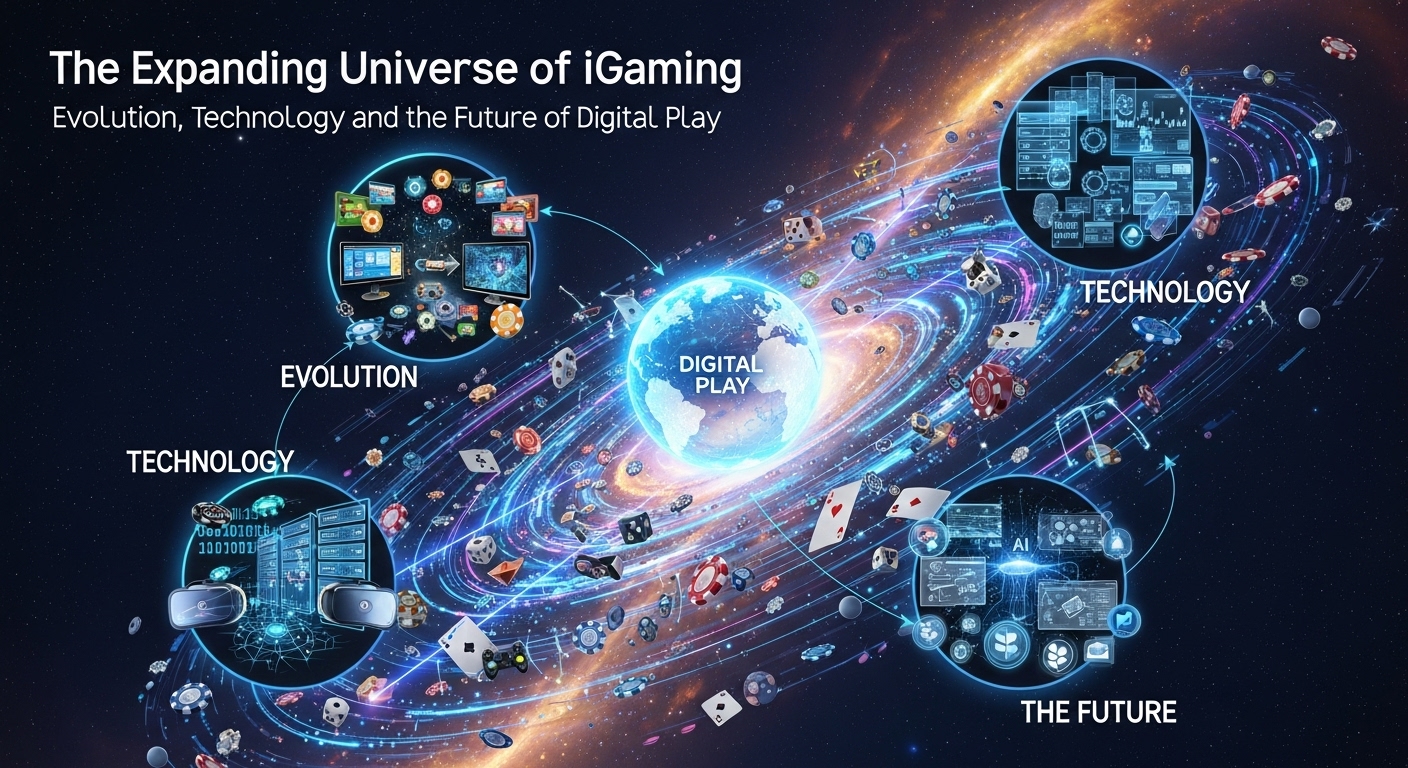
The iGaming industry has experienced explosive growth over the past decade, becoming one of the most dynamic sectors in global entertainment. From online casinos to sports betting, virtual slots to poker tournaments, iGaming has revolutionized the way people interact with games of chance and skill. This blog explores the current state of the industry, its technological innovations, market trends, challenges, and future prospects.
Understanding iGaming
iGaming, short for interactive gaming, encompasses all forms of online gambling. Unlike traditional land-based casinos, iGaming provides players with a digital platform to engage in games, bets, and tournaments from virtually anywhere. The term broadly covers online poker, sports betting, bingo, lotteries, and casino games, including slots and live dealer experiences.
The appeal of iGaming lies in its convenience and accessibility. Players no longer need to visit physical casinos or betting shops; they can enjoy a wide variety of games through desktop or mobile applications. This accessibility has attracted a younger demographic, often digitally native individuals who prefer immersive online experiences.
The Evolution of Online Casinos
The history of online casinos dates back to the mid-1990s, with the first fully functional platforms appearing shortly after the widespread adoption of the internet. Early online casinos were relatively simple, offering basic slot games and roulette tables. Over time, the industry leveraged technological advancements to enhance user experience, security, and game variety.
Modern online casinos feature high-quality graphics, realistic sound effects, and interactive gameplay that rivals physical casinos. The introduction of live dealer games, powered by real-time streaming technology, has further blurred the line between digital and brick-and-mortar gambling. Players can now interact with professional dealers and other participants, creating a social aspect that was previously missing in online environments.
Key Segments of the iGaming Industry
The iGaming industry is vast and multifaceted, encompassing several distinct segments:
Online Casino Games
Online casino games remain the core of the iGaming ecosystem. Slots, roulette, blackjack, baccarat, and poker dominate this segment. Slot games, in particular, have seen tremendous innovation, evolving from simple three-reel designs to complex video slots with engaging storylines, bonus rounds, and progressive jackpots.
Sports Betting
Sports betting has become one of the most popular forms of online gambling, allowing users to wager on various sports events, including football, basketball, cricket, and esports. In-play betting, where players place wagers during a live match, has revolutionized the industry by providing dynamic odds and instant engagement.
Poker
Online poker has cultivated a dedicated global community. From Texas Hold’em to Omaha, online platforms offer tournaments, cash games, and multi-table events accessible to players of all skill levels. Poker rooms frequently host international competitions, enhancing the competitive and social aspects of the game.
Bingo and Lottery
Although often overlooked, online bingo and lottery games attract millions of players worldwide. Digital platforms provide convenience and variety, with multiple themes, jackpots, and interactive features that enhance the user experience.
Esports Betting
Esports has emerged as a new frontier in iGaming. Competitive gaming tournaments attract millions of viewers, and betting platforms have capitalized on this trend by offering markets on games like League of Legends, Counter-Strike, and Dota 2. Esports betting introduces younger demographics to gambling and integrates the worlds of gaming and wagering.
Technology Driving iGaming Innovation
The iGaming industry is synonymous with technological innovation. Several technological trends have significantly shaped the modern gaming experience:
Mobile Gaming
Mobile technology has transformed iGaming by providing players access to games on smartphones and tablets. Mobile-first platforms prioritize intuitive user interfaces, fast loading times, and responsive designs. Mobile apps also integrate features such as push notifications, personalized recommendations, and secure payment options, ensuring an engaging and seamless experience.
Virtual Reality and Augmented Reality
Virtual reality (VR) and augmented reality (AR) are gradually redefining immersive gaming. VR casinos allow players to explore realistic 3D environments, interact with other participants, and feel like they are physically present at a casino. AR applications overlay interactive elements onto real-world environments, offering innovative gameplay experiences.
Artificial Intelligence and Personalization
Artificial intelligence (AI) is being utilized to enhance user experience through personalization. AI algorithms analyze player behavior, recommend games, optimize betting odds, and detect problem gambling patterns. Personalization improves engagement, retention, and overall satisfaction.
Blockchain and Cryptocurrencies
Blockchain technology and cryptocurrencies have introduced new levels of transparency, security, and flexibility. Crypto-based platforms allow fast and anonymous transactions, reduce fees, and ensure fairness through decentralized systems. Smart contracts also automate payouts and rewards, providing a reliable and tamper-proof gaming environment.
Regulatory Landscape
The iGaming industry operates in a highly regulated environment. Laws and regulations vary significantly between countries, influencing market access, taxation, and operational requirements. Licensing authorities ensure fair play, security, and responsible gambling practices.
Popular regulatory bodies include the Malta Gaming Authority, the United Kingdom Gambling Commission, and the Gibraltar Regulatory Authority. Compliance with these regulations is crucial for operators seeking credibility and longevity in the market.
Market Trends Shaping iGaming
The iGaming sector is continuously evolving, driven by changing consumer behavior, technology, and global trends:
Increasing Mobile Engagement
Mobile devices now account for the majority of online gambling traffic. Developers are prioritizing mobile-first strategies, designing games and platforms that cater to on-the-go gaming.
Expansion into Emerging Markets
Countries in Latin America, Asia, and Africa are experiencing rapid growth in iGaming adoption. Regulatory changes, increased internet penetration, and rising disposable income are driving demand in these regions.
Gamification and Social Features
Gamification enhances player engagement by integrating elements like achievements, leaderboards, challenges, and social interaction. Platforms are increasingly incorporating multiplayer modes, chat features, and community events to foster loyalty.
Focus on Responsible Gambling
Operators are prioritizing responsible gambling initiatives to protect users from addiction and financial harm. Tools like deposit limits, self-exclusion options, and AI-driven monitoring systems are becoming standard practices.
Live Betting and Streaming Integration
The integration of live streaming with betting platforms has transformed sports wagering. Real-time updates, interactive statistics, and live odds offer a highly immersive experience that mimics attending a live match.
Challenges Facing the iGaming Industry
Despite its growth, the iGaming industry faces several challenges:
Regulatory Compliance
Navigating complex legal frameworks across multiple jurisdictions can be challenging for operators. Changes in regulations can impact revenue streams, licensing, and marketing strategies.
Cybersecurity Threats
Online platforms are prime targets for cyberattacks. Operators must invest heavily in security protocols, encryption, and fraud prevention measures to safeguard player data and financial transactions.
Competition and Market Saturation
The rapid expansion of iGaming has increased competition. Operators must differentiate themselves through innovative games, superior user experience, and effective marketing strategies.
Responsible Gambling Concerns
Problem gambling remains a significant concern. Platforms must strike a balance between offering engaging experiences and promoting safe, responsible play. Failure to address this can lead to regulatory penalties and reputational damage.
Technological Adaptation
Staying at the forefront of technological innovation requires continuous investment. Emerging technologies like AI, VR, and blockchain demand technical expertise and resources.
The Future of iGaming
The future of iGaming looks promising, driven by technological advancements, changing consumer preferences, and global expansion. Several trends are likely to shape the next decade:
Immersive Experiences
Virtual and augmented reality will become more mainstream, providing players with deeply immersive environments. These experiences will replicate physical casinos more realistically and may even introduce entirely new gaming formats.
Integration with Social Media and Metaverse
Social media and metaverse platforms will provide new avenues for gaming, betting, and community engagement. Players may interact, compete, and wager in virtual worlds, blurring the line between gaming and social networking.
AI-Driven Personalization and Analytics
AI will continue to refine personalization, offering tailored recommendations, dynamic content, and predictive analytics. Operators will gain insights into player behavior, optimizing retention and revenue.
Sustainable and Ethical Gaming
Operators are increasingly adopting sustainable practices, focusing on transparency, fairness, and ethical gaming. The industry is moving towards balancing entertainment with social responsibility.
Expansion into Emerging Markets
Emerging markets will continue to drive growth, supported by regulatory reforms, increased digital adoption, and localized gaming solutions. Operators will tailor offerings to local preferences and cultural nuances.
Conclusion
The iGaming industry is a vibrant, ever-evolving ecosystem that combines technology, entertainment, and competition. With millions of players worldwide and billions in revenue, it is reshaping the way people engage with games of chance and skill.
As technology advances, mobile adoption grows, and emerging markets expand, the opportunities for innovation and growth are immense. However, operators must navigate regulatory challenges, cybersecurity threats, and social responsibility concerns to ensure sustainable success.
The future of iGaming promises immersive, personalized, and socially integrated experiences that cater to diverse audiences globally. For players, it offers convenience, excitement, and entertainment; for operators, it represents a dynamic, competitive, and rewarding market.
The journey of iGaming has just begun, and its evolution will continue to redefine the landscape of digital entertainment for years to come.