
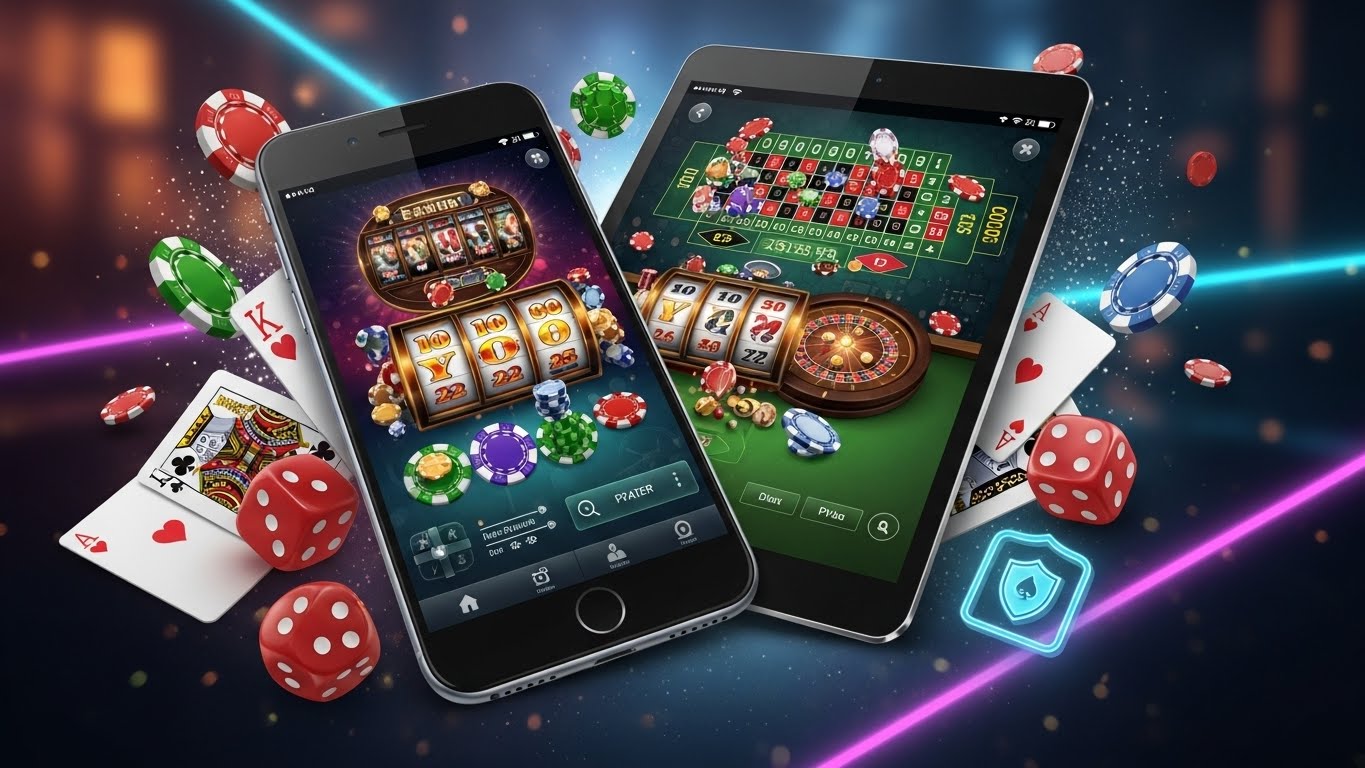
The world of gambling has undergone a dramatic transformation in recent decades, with the rise of iGaming—the online gaming industry that includes everything from online casinos and sports betting to poker rooms and virtual games. What was once a niche market has now exploded into a multi-billion-dollar global industry, attracting millions of players from all walks of life. As technology continues to advance, iGaming has evolved into a dynamic and ever-expanding sector within the broader entertainment landscape. In this blog post, we will explore the development of iGaming, its impact on the gambling industry, the regulatory landscape, and the future of online gambling.
What Is iGaming?
At its core, iGaming refers to the digital version of traditional gambling activities, allowing players to wager real money or virtual currency on games or sports over the internet. The most common forms of iGaming include online casinos, sports betting, poker rooms, and fantasy sports. The proliferation of internet access and mobile devices has allowed iGaming to become more accessible than ever, enabling users to gamble anytime, anywhere, without the need to visit a physical casino or bookmaker.
The main components of iGaming are:
- Online Casinos: These platforms replicate the traditional casino experience, offering a variety of games such as slots, roulette, blackjack, baccarat, and other table games.
- Sports Betting: This encompasses wagering on the outcome of sports events, whether it’s football, basketball, horse racing, or esports.
- Poker Rooms: Online poker has grown exponentially, with players able to join virtual tables and compete against others from around the world.
- Fantasy Sports: A popular form of iGaming in which players draft their own teams of athletes and earn points based on their real-world performances.
These elements of iGaming have become a staple of the online entertainment experience, allowing players to enjoy a diverse range of activities from the comfort of their homes.
The Growth of iGaming: A Digital Revolution
The roots of iGaming can be traced back to the late 1990s when the first online casino platforms appeared. At the time, the internet was still in its infancy, and online gambling was a relatively unknown and unregulated field. However, by the early 2000s, things began to change. As internet speeds improved, and secure payment systems like PayPal and credit card processors became more widely available, online casinos began to gain traction.
In 2003, the Unlawful Internet Gambling Enforcement Act (UIGEA) was passed in the United States, which sought to regulate online gambling. However, this law did little to slow the momentum of iGaming, as operators simply moved their services to countries where the laws were more permissive. Meanwhile, Europe began to see widespread adoption of online casinos, poker rooms, and sports betting sites, particularly in countries like the UK, Malta, and Gibraltar, where the regulatory environment was more welcoming.
By the mid-2000s, several factors contributed to the meteoric rise of iGaming:
- Better Internet Connectivity: Faster internet speeds, coupled with the increasing accessibility of broadband, meant that players could enjoy a smoother, more immersive gambling experience.
- Mobile Devices: The explosion of smartphones and tablets made gambling even more portable, allowing users to access iGaming platforms on the go. Mobile apps became a huge part of iGaming’s growth, making it possible to place bets, play casino games, or join poker tables from anywhere.
- Improved Graphics and User Experience: Software developers began creating high-quality, realistic casino games and slots with stunning visuals and interactive features. The emphasis on user experience made online gambling more engaging and fun for players.
- Variety and Innovation: The vast selection of games, from classic table games to innovative live dealer experiences, ensured that iGaming platforms appealed to a broad range of players with diverse preferences.
Today, the iGaming industry is valued at over $60 billion and continues to grow rapidly, fueled by technological innovations and increased player engagement.
Key Components of iGaming: A Deep Dive
Online Casinos: Where the Virtual Meets Reality
Online casinos are the backbone of the iGaming industry. These platforms simulate traditional casino environments, offering a wide range of games. The most popular games in online casinos are slot machines, which account for a significant portion of the revenue in this sector. Slots have become more advanced over the years, with video slots featuring rich graphics, bonus rounds, and themes inspired by movies, TV shows, and popular culture.
In addition to slots, online casinos also offer classic table games such as blackjack, roulette, baccarat, and poker. These games are often available in both digital formats and live dealer formats, where real dealers interact with players via video streams. Live dealer games have been a major development in iGaming, offering a more authentic casino experience while still being played online.
Sports Betting: A Global Phenomenon
Sports betting is one of the oldest forms of gambling, and it has transitioned seamlessly into the online world. Players can place bets on virtually any sport, ranging from traditional options like football, basketball, and tennis, to more niche offerings such as esports and virtual sports. iGaming has expanded sports betting opportunities by providing players with a wide variety of betting options, including point spreads, money lines, over/under, and prop bets.
With the rise of online sports betting, the industry has also seen the growth of in-play betting or live betting, which allows users to place bets during a game or match. This feature has proven to be a game-changer, as it creates a more dynamic and interactive betting experience, with odds changing in real-time based on the progress of the event.
Online Poker: A Virtual Cardroom
Online poker has been one of the most successful aspects of iGaming. Platforms like PokerStars, PartyPoker, and 888poker have created virtual poker rooms where players can participate in cash games, tournaments, and sit-and-go events. The digital nature of these platforms has opened up new avenues for poker players, allowing them to compete in games with players from all over the world at any time of day.
Poker has also evolved with the times. Today, players can find a wide range of poker variations, such as Texas Hold’em, Omaha, and Seven-Card Stud, as well as new formats like Spin & Go and fast-fold poker. Poker’s blend of strategy, psychology, and skill makes it a favorite among players who enjoy both the competitive and social aspects of the game.
Fantasy Sports: A Game of Strategy and Skill
Fantasy sports are another significant component of iGaming. Players create their own fantasy teams by selecting athletes from various sports leagues, earning points based on the players’ real-world performance. Fantasy football, basketball, and baseball are among the most popular formats, but fantasy sports also extend to other areas like eSports, golf, and soccer.
One of the biggest appeals of fantasy sports is the element of skill. While sports betting relies heavily on chance, fantasy sports allow players to use their knowledge of players, teams, and statistics to build winning teams. Additionally, fantasy sports offer the opportunity for continuous engagement, as players manage their teams throughout the course of the season.
The Regulatory Landscape of iGaming
As iGaming has grown, so has the need for regulation. In many regions, governments and regulators have stepped in to establish laws that ensure fairness, consumer protection, and responsible gambling practices.
In the United States, the legalization of sports betting was a landmark event. In 2018, the Supreme Court struck down the Professional and Amateur Sports Protection Act (PASPA), allowing states to legalize sports betting at their discretion. Since then, many states have passed laws to regulate online sports betting, creating a patchwork of regulations across the country.
In Europe, iGaming has been regulated for many years, with countries like the United Kingdom and Malta leading the way in establishing comprehensive legal frameworks for online gambling. These regulations cover everything from licensing requirements for operators to rules about responsible gambling and anti-money laundering practices.
The rise of cryptocurrency in iGaming has also prompted discussions around regulation, as players seek more secure and anonymous ways to engage in gambling activities. Operators are increasingly adopting cryptocurrency as a payment method, and some platforms are even offering crypto-based games.
The Future of iGaming: Trends and Innovations
The future of iGaming looks incredibly promising, with several key trends shaping the direction of the industry:
- Virtual Reality and Augmented Reality: VR and AR technologies are expected to revolutionize iGaming by creating immersive, 3D casino environments where players can interact with dealers and other players in a virtual world.
- Blockchain and Cryptocurrency: Blockchain technology has the potential to make online gambling more secure and transparent, while cryptocurrencies like Bitcoin and Ethereum offer players faster and more anonymous payment methods.
- Mobile Gaming: The continued rise of mobile gaming will drive the iGaming market, allowing players to enjoy their favorite games on smartphones and tablets, regardless of location.
- Personalization and Artificial Intelligence: AI-driven features will allow for more personalized gaming experiences, such as tailored game recommendations, real-time odds adjustments in sports betting, and more efficient customer service.
Conclusion: A New Era of Entertainment
iGaming has become an integral part of the modern entertainment landscape, offering a diverse range of gambling experiences to players worldwide. From online casinos to sports betting, poker rooms, and fantasy sports, the digital gambling revolution has only just begun. As technology continues to advance, the potential for innovation in iGaming is limitless. Whether through immersive virtual worlds, mobile