
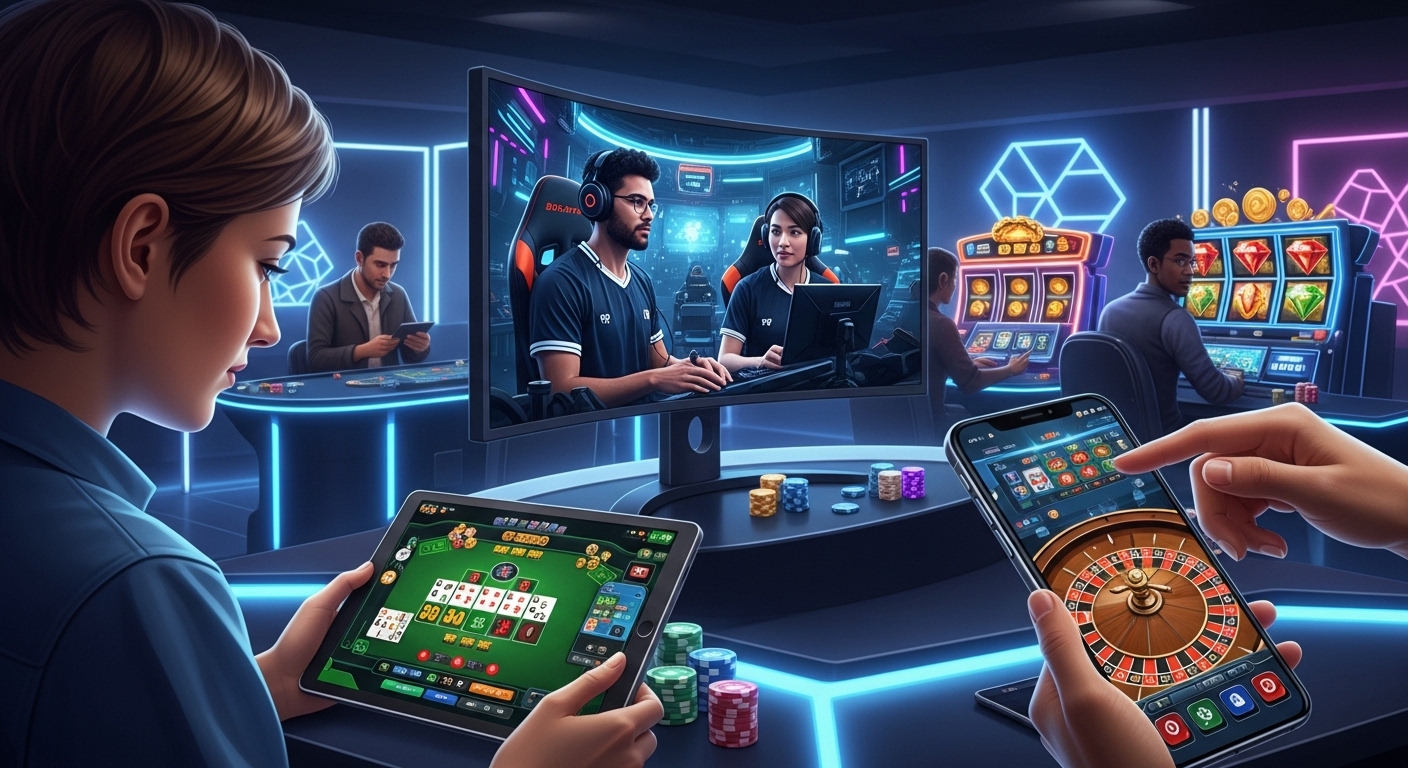
The digital era has ushered in remarkable advancements across various industries, and one of the most significant transformations has occurred in the realm of entertainment. Among these innovations, iGaming—the term used for all forms of online gambling, including casino games, sports betting, and poker—has emerged as a dominant force. The global iGaming market is one of the fastest-growing sectors, and its popularity continues to rise as more players are drawn to the thrill of gaming from the comfort of their own homes. But what exactly is iGaming, and what has led to its rapid growth?
In this blog post, we will explore the evolution of iGaming, its impact on the gambling industry, and the future trends shaping the online gaming world.
What is iGaming?
iGaming refers to any type of gambling or betting activity conducted via the internet. This includes online casinos, sports betting platforms, poker rooms, and even bingo halls. The key distinguishing feature of iGaming is that it is all hosted on digital platforms, accessible through devices such as smartphones, tablets, and computers. The idea of gambling from home was a game-changer, giving players the freedom to enjoy their favorite games at any time and from anywhere in the world.
iGaming has expanded far beyond the traditional models of land-based gambling and has introduced several innovative features, including live dealers, virtual sports, skill-based gaming, and social interaction, which have contributed to its appeal.
The Early Days of iGaming
While gambling dates back thousands of years, the concept of iGaming only emerged in the mid-1990s. The first significant milestone was the launch of the first online casino, InterCasino, in 1996. This online platform offered a small selection of digital slot games and table games, and while it was initially met with skepticism, it marked the beginning of a digital revolution in the gambling world.
At the same time, the first sports betting platforms began to surface, with companies offering bettors the ability to wager on popular events from the comfort of their homes. The technology was rudimentary by today’s standards, but it was a major leap forward in terms of convenience.
The early days of iGaming were characterized by slow internet speeds, limited game selection, and basic graphics, but it was a sign of things to come. By the early 2000s, online casinos and sportsbooks had begun to gain popularity, thanks in part to the advent of more stable internet connections and faster processing speeds.
The Rise of Online Gambling
The early 2000s saw an explosion in the popularity of iGaming, largely fueled by technological advances and the growing demand for convenient, online entertainment. Online casinos began to offer a wide variety of games, including slots, blackjack, roulette, poker, and baccarat. At the same time, sports betting sites began to dominate, allowing users to place bets on everything from football to horse racing with the click of a button.
This period also saw the rise of poker rooms, with websites like PartyPoker and PokerStars attracting millions of users globally. The increasing number of poker tournaments, including the World Series of Poker (WSOP) becoming available online, contributed to the game’s growth and helped foster a global poker community.
One key driver of the online gambling boom was the ability to play for both real money and for fun. The availability of free-play options allowed players to familiarize themselves with games without financial risk. Meanwhile, the introduction of secure payment systems like PayPal and credit card processing made depositing and withdrawing funds easy and safe, boosting trust among users.
iGaming and the Growth of Mobile Technology
As mobile technology began to mature in the 2010s, so too did the iGaming industry. With the introduction of smartphones and tablets, players no longer needed a desktop computer to access online casinos or place sports bets. The mobile gaming revolution allowed operators to reach a much wider audience, enabling people to play games on the go.
Mobile apps provided players with a more seamless and convenient way to engage with online casinos and sportsbooks. Leading iGaming companies quickly adapted by developing mobile-friendly versions of their sites and dedicated applications that offered a user-friendly interface, optimized game designs, and fast loading times. In turn, this spurred the development of new features such as mobile-exclusive bonuses and mobile slots, making mobile gambling as popular—if not more popular—than desktop gaming.
The increased mobile accessibility also led to the expansion of live dealer games. For years, online casinos had been using software-based random number generators (RNGs) to determine game outcomes, but live dealer technology allowed players to engage in real-time, interactive experiences with professional dealers through video streaming. This innovative feature brought the excitement of brick-and-mortar casinos into the online environment, enhancing the overall player experience.
The Regulatory Landscape and Legal Challenges
As the popularity of iGaming grew, so too did the need for regulation. Governments around the world began to realize the potential revenue that could be generated from taxing online gambling and, at the same time, the importance of protecting consumers from fraud and ensuring that gambling activities were conducted fairly.
Countries like the United Kingdom and Malta were among the first to establish regulatory bodies and licensing requirements for online casinos and sportsbooks. This provided a framework for players to enjoy gambling in a safe and controlled environment. For operators, adhering to these regulations was critical for maintaining the trust of their users and avoiding legal issues.
Despite these advancements, many regions, including parts of the United States, continued to wrestle with the legality of online gambling. In the U.S., the Wire Act of 1961 initially outlawed most forms of online gambling, but subsequent legal rulings and state-level legislation have since opened up the market for regulated iGaming in certain states.
Internationally, iGaming remains a complex and ever-evolving issue, with different countries taking various approaches to regulation. However, the trend toward legalization and regulation is gaining traction globally as more governments realize the potential economic benefits of a regulated online gambling market.
The Impact of Technology on iGaming
The technological advancements driving the iGaming sector are vast and varied, with several innovations helping to shape the modern gaming experience. These include:
1. Virtual Reality (VR) and Augmented Reality (AR)
Virtual reality and augmented reality are slowly making their way into the iGaming space, offering players an immersive experience that takes online gaming to the next level. VR casinos can transport players into a fully realized virtual environment where they can interact with other players and live dealers as though they were in a physical casino. AR technology is enhancing the mobile experience by overlaying digital elements onto the real world, making games more interactive and engaging.
2. Artificial Intelligence (AI) and Machine Learning
AI is increasingly being used in iGaming to improve user experience, security, and personalization. For instance, AI can analyze player behavior to suggest games they are likely to enjoy or provide responsible gaming tools to help players limit their spending. AI-powered chatbots are also improving customer service by providing instant support to users.
3. Blockchain and Cryptocurrency
Blockchain technology and cryptocurrencies like Bitcoin are making their way into the iGaming sector. Blockchain ensures transparency and fairness by providing an immutable record of transactions, while cryptocurrencies offer fast, secure, and anonymous payment options for players. Some online casinos are even accepting Bitcoin as a deposit and withdrawal method, appealing to a tech-savvy, privacy-conscious demographic.
Trends Shaping the Future of iGaming
The iGaming industry is constantly evolving, and the next few years are expected to bring even more exciting developments. Some of the key trends likely to shape the future of online gambling include:
1. Esports Betting
The rise of esports has opened up new avenues for online betting. Esports tournaments are now watched by millions of fans worldwide, and betting platforms are starting to incorporate esports events into their offerings. As esports continues to grow in popularity, esports betting is expected to become a major part of the iGaming landscape.
2. Live Streaming and Interactive Gaming
The demand for interactive and live-streamed experiences will likely increase in the coming years. This includes live casino games, as well as esports events, poker tournaments, and even video game streams. Platforms that offer a more immersive, interactive environment will likely see greater success.
3. Responsible Gambling and Player Protection
With the growth of online gambling comes the increasing need for responsible gambling practices. In the future, expect to see more focus on player protection through enhanced security measures, self-exclusion tools, and age verification protocols. Operators are also likely to implement AI-driven systems that can detect problem gambling behaviors and offer support to those in need.
4. Personalized Gaming Experiences
As AI technology continues to improve, iGaming operators will be able to offer more personalized experiences to players. From tailored game recommendations to exclusive promotions based on player behavior, the ability to create a unique gaming experience will enhance player engagement and satisfaction.
Conclusion
The iGaming industry has come a long way since the early days of online casinos and poker rooms. With technological innovations and growing regulatory frameworks, the future of iGaming looks bright. As more players seek out convenient, immersive, and exciting online gambling experiences, iGaming operators will continue to adapt to meet these demands. Whether it’s through mobile platforms, live dealer games, virtual reality, or blockchain technology, iGaming is sure to remain at the forefront of digital entertainment for years to come.