
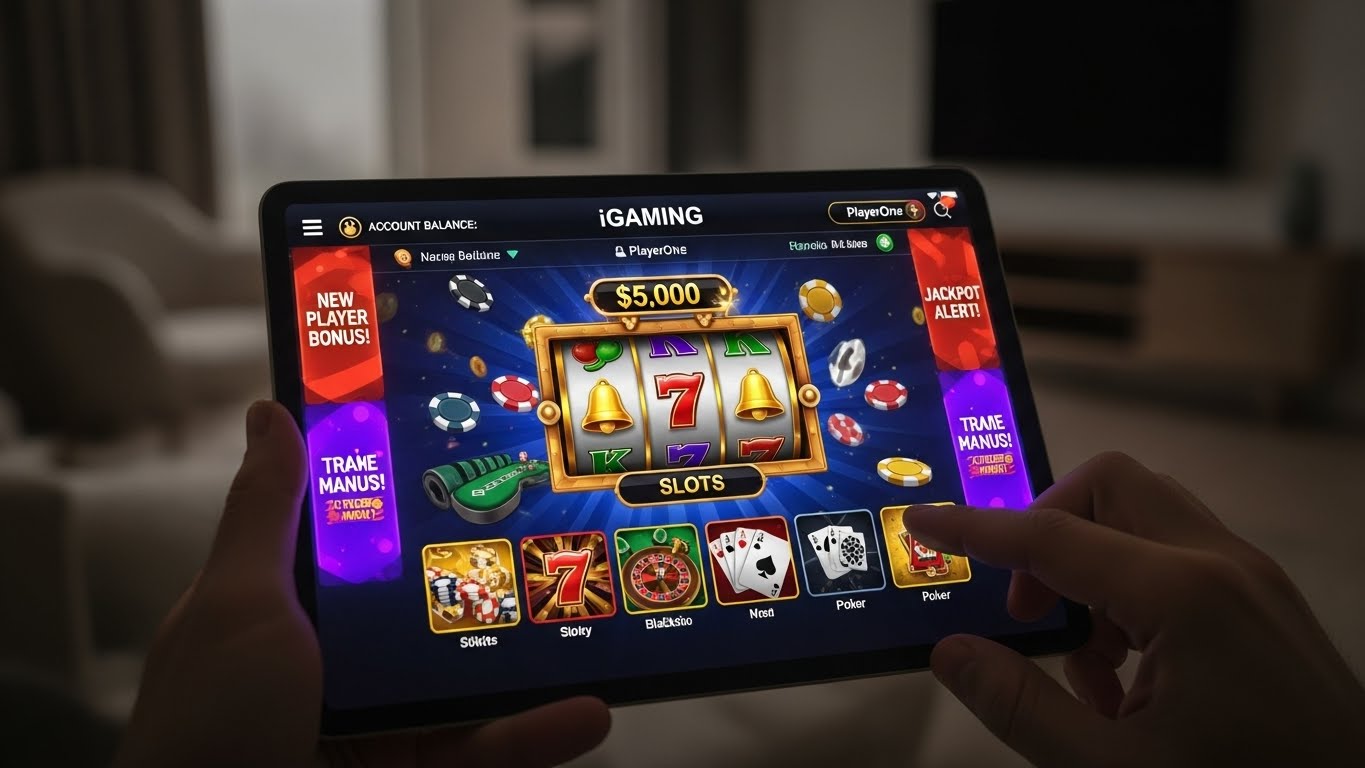
In recent years, the iGaming industry has undergone a dramatic transformation, evolving from a niche hobby into a booming global phenomenon. With the widespread availability of high-speed internet, the rise of mobile technology, and a growing appetite for online entertainment, the iGaming sector has become one of the most lucrative and rapidly growing industries worldwide. From online casinos and poker rooms to esports betting and virtual sports, iGaming encompasses a vast range of interactive entertainment options that have reshaped how millions of people engage with gaming, gambling, and everything in between.
In this blog post, we will delve into the world of iGaming, exploring its history, evolution, and the factors driving its success. We will also examine the legal, social, and technological implications of iGaming, as well as what the future holds for this dynamic and ever-changing industry.
What is iGaming? A Broad Overview of the Industry
At its core, iGaming refers to any form of gambling or gaming activity that takes place on the internet. This can include everything from online casinos and poker rooms to sports betting, esports, and virtual gaming. While the concept of iGaming has existed since the mid-1990s, it has only recently experienced explosive growth thanks to advancements in technology and the increasing shift toward digital entertainment.
The iGaming industry includes a wide variety of products and services that appeal to different types of players. Online casinos, for example, offer traditional casino games such as slots, roulette, blackjack, and baccarat, but with the added convenience of playing from home or on the go. Poker rooms provide players with the opportunity to participate in online poker games, ranging from casual tables to high-stakes tournaments. Additionally, sports betting has transitioned to the digital space, with bettors able to wager on everything from football and basketball to niche events like esports and reality TV shows.
One of the defining features of iGaming is its accessibility. Players no longer have to travel to physical casinos or betting shops to enjoy their favorite games or place bets. All they need is a device connected to the internet, such as a smartphone, tablet, or computer. This has not only made gaming and gambling more convenient but has also broadened the appeal of iGaming to a global audience.
The History of iGaming: From Early Days to Global Domination
The origins of iGaming can be traced back to the mid-1990s when the internet began to make its way into homes across the globe. The first online casino, InterCasino, was launched in 1996, offering players a small selection of casino games that could be played directly from their web browsers. This was a groundbreaking moment, as it allowed people to experience the thrill of gambling from the comfort of their own homes, without having to visit a physical casino.
During the late 1990s and early 2000s, the online gambling industry began to grow rapidly, driven by a combination of technological advancements and increased consumer interest. The development of secure payment methods, such as credit card transactions and e-wallets, made it easier for players to deposit and withdraw funds from online casinos and betting sites. Additionally, the growth of internet connectivity and broadband speeds enabled smoother and faster gaming experiences.
As the internet became more widespread, online casinos and sportsbooks continued to expand their offerings, introducing new types of games and betting options. The rise of poker in the early 2000s, thanks to the popularity of online poker rooms like PokerStars and Full Tilt Poker, was a key milestone in the evolution of iGaming. The “Poker Boom” of the mid-2000s saw millions of players flock to online poker tables, creating a multi-billion-dollar industry that continues to thrive today.
Around the same time, online sportsbooks began to gain traction, allowing sports fans to place wagers on a wide range of events, from traditional sports like football and baseball to emerging markets such as esports. The emergence of live betting, where players could place wagers on ongoing events in real-time, further propelled the growth of sports betting and iGaming as a whole.
The Rise of Mobile Gaming: A Game-Changer for iGaming
One of the most significant factors driving the expansion of iGaming in recent years has been the rise of mobile technology. With the advent of smartphones and tablets, players now have the ability to access their favorite games and place bets anywhere, at any time. This shift toward mobile gaming has transformed the iGaming landscape, making it even more convenient and accessible for players.
Mobile gaming has become a central focus for iGaming operators, with many sites and casinos optimizing their platforms for mobile devices. In fact, many online casinos and sportsbooks now offer dedicated mobile apps that provide players with a seamless and enhanced gaming experience. These apps allow players to access their accounts, make deposits and withdrawals, and play their favorite games with just a few taps on their smartphones.
The growth of mobile gaming has also fueled the development of new game formats and betting options. For example, live dealer games, where players can interact with real dealers via video streaming, have become increasingly popular on mobile devices. These games provide a more immersive and authentic experience, combining the convenience of online gaming with the social aspect of playing in a brick-and-mortar casino.
In addition, the rise of mobile gaming has led to the proliferation of esports betting, as fans can place wagers on competitive gaming events directly from their smartphones. Esports, which involves professional video game competitions, has become a major part of the iGaming ecosystem, attracting millions of players and fans from around the world.
Legal and Regulatory Challenges in the iGaming Industry
While iGaming has experienced rapid growth, it has not been without its challenges. One of the most significant hurdles the industry faces is the complex and often inconsistent legal landscape surrounding online gambling. In many countries, gambling is heavily regulated or outright banned, creating a patchwork of laws that can make it difficult for operators to expand their services globally.
In some jurisdictions, online gambling is fully legalized and regulated, with operators required to obtain licenses and adhere to strict rules to ensure player protection and fair play. In countries like the United Kingdom, Malta, and Gibraltar, the iGaming industry is well-regulated, with comprehensive frameworks in place to safeguard consumers and prevent issues such as money laundering and problem gambling.
However, in other parts of the world, online gambling remains illegal or is only partially regulated. In the United States, for example, online gambling is governed by state-specific laws, leading to a fragmented market where only certain states have legalized online casinos and poker rooms. Similarly, in countries like China and the United Arab Emirates, online gambling is prohibited altogether, creating challenges for international operators looking to tap into these markets.
As the global iGaming industry continues to grow, it is likely that regulatory frameworks will evolve to better address the unique challenges posed by online gambling. However, balancing the desire for growth with the need for responsible gaming practices and consumer protection will be key to ensuring the long-term sustainability of the industry.
The Social Impact of iGaming: The Double-Edged Sword
While iGaming offers numerous benefits in terms of entertainment, convenience, and accessibility, it also comes with its own set of social and ethical concerns. One of the most prominent issues surrounding online gambling is the potential for addiction. The easy accessibility of online casinos and sportsbooks means that players can gamble at any time, often without the same level of oversight or support that exists in physical casinos.
Problem gambling is a serious issue that affects millions of individuals worldwide, and the iGaming industry has a responsibility to address it. Many online gambling platforms have introduced responsible gaming features, such as self-exclusion tools, deposit limits, and access to counseling services, to help players manage their gambling behavior. Additionally, regulatory bodies in some jurisdictions require operators to implement measures to prevent underage gambling and ensure the integrity of games.
Another concern is the potential for iGaming to be used for illegal activities, such as money laundering. As online gambling transactions often involve large sums of money and cross-border payments, it is important for operators to implement strict anti-money laundering (AML) protocols and adhere to international standards.
Despite these challenges, many argue that the social impact of iGaming is not inherently negative. When regulated properly, iGaming can be a safe and enjoyable form of entertainment for millions of players around the world. However, it is important for governments, operators, and players to work together to ensure that responsible gambling practices are followed and that the negative consequences of problem gambling are minimized.
The Future of iGaming: Trends to Watch
As the iGaming industry continues to grow, there are several key trends that are likely to shape its future. One of the most exciting developments is the integration of virtual reality (VR) and augmented reality (AR) into online gaming. VR casinos, for example, could offer players the chance to experience a fully immersive casino environment from the comfort of their homes, while AR games could bring physical elements into the digital world.
Another major trend is the increasing popularity of esports. Competitive gaming has exploded in recent years, with major esports tournaments attracting millions of viewers and players. As the esports ecosystem continues to mature, we can expect to see more betting opportunities and dedicated platforms for esports enthusiasts.
Blockchain technology is also likely to play a significant role in the future of iGaming. By providing transparent, secure, and decentralized platforms for gambling, blockchain could help address some of the issues surrounding trust and fairness in online gaming. Cryptocurrencies like Bitcoin are already being used for transactions on many iGaming sites, and the technology behind blockchain could offer further innovation in terms of player privacy and payment solutions.
Conclusion: A New Era of Digital Entertainment
The iGaming industry has come a long way since its humble beginnings in the mid-1990s. Today, it stands as a dynamic and ever-evolving sector that continues to reshape the world of entertainment and gambling. From mobile gaming and esports betting to the integration of advanced technologies like VR and blockchain, iGaming is poised to continue its rapid growth and transformation in the years ahead.