
Introduction
The digital entertainment landscape has undergone a massive transformation in the last decade, and one of the most prominent sectors leading this change is iGaming. iGaming, which encompasses online casinos, sports betting, poker, and other digital gambling activities, has evolved from a niche pastime into a global phenomenon. Millions of players around the world engage in iGaming platforms daily, drawn by the convenience, accessibility, and excitement that digital gaming offers. This blog explores the evolution of iGaming, its technological advancements, trends, and how it is shaping the future of entertainment.
The Growth of iGaming in the Modern Era
iGaming has grown tremendously over the past few years. What began as simple online gambling platforms with basic interfaces has now transformed into sophisticated ecosystems offering immersive experiences. The growth of high-speed internet and the widespread adoption of smartphones have made it easier for players to access online gaming anywhere, anytime.
Mobile technology, in particular, has been a significant driver of growth. People no longer need to visit physical casinos or sit in front of a desktop computer. With mobile applications optimized for both Android and iOS, players can enjoy seamless gaming experiences while commuting, at home, or during short breaks. The convenience of mobile access has led to an exponential rise in daily active users, making mobile iGaming a cornerstone of the industry.
Technological Advancements Transforming iGaming
Technology plays a central role in the iGaming revolution. The evolution of software, graphics, and gaming engines has allowed developers to create visually stunning and interactive experiences. Modern games often feature 3D animations, live dealers, and real-time gameplay that closely mimics real-world experiences.
Artificial intelligence has also become integral to the iGaming industry. AI algorithms analyze player behavior to provide personalized gaming recommendations, adapt difficulty levels, and predict potential trends. This personalization enhances player engagement by making each gaming session unique. Furthermore, AI-powered security systems ensure that transactions are secure and fair, reducing the risk of fraud and cheating.
Cloud technology is another breakthrough. Cloud-based gaming eliminates the need for expensive hardware, enabling high-quality gameplay on standard devices. This democratization of gaming ensures that players of all backgrounds can access advanced features without significant financial investment.
The Role of Mobile Gaming in iGaming
Mobile gaming has fundamentally changed the way users interact with digital platforms. It has introduced flexibility and accessibility, which traditional desktop platforms often lack. Players can engage in short sessions of gameplay during daily routines, making iGaming a part of everyday life rather than a special occasion.
Developers now prioritize mobile-first designs, ensuring that games load quickly, have responsive controls, and provide high-resolution graphics suitable for small screens. This emphasis on mobile compatibility has led to the creation of new game formats tailored specifically for mobile users, including quick-play slots, skill-based games, and interactive mini-games.
Mobile gaming also fosters continuous engagement through push notifications, daily challenges, and rewards programs. These features encourage players to return frequently, helping platforms maintain an active user base.
Social Interaction and Community in iGaming
Unlike traditional single-player games, iGaming emphasizes social interaction and community building. Many platforms incorporate multiplayer modes, live tournaments, and interactive chat features. These elements allow players to connect with each other, share experiences, and engage in competitive gameplay.
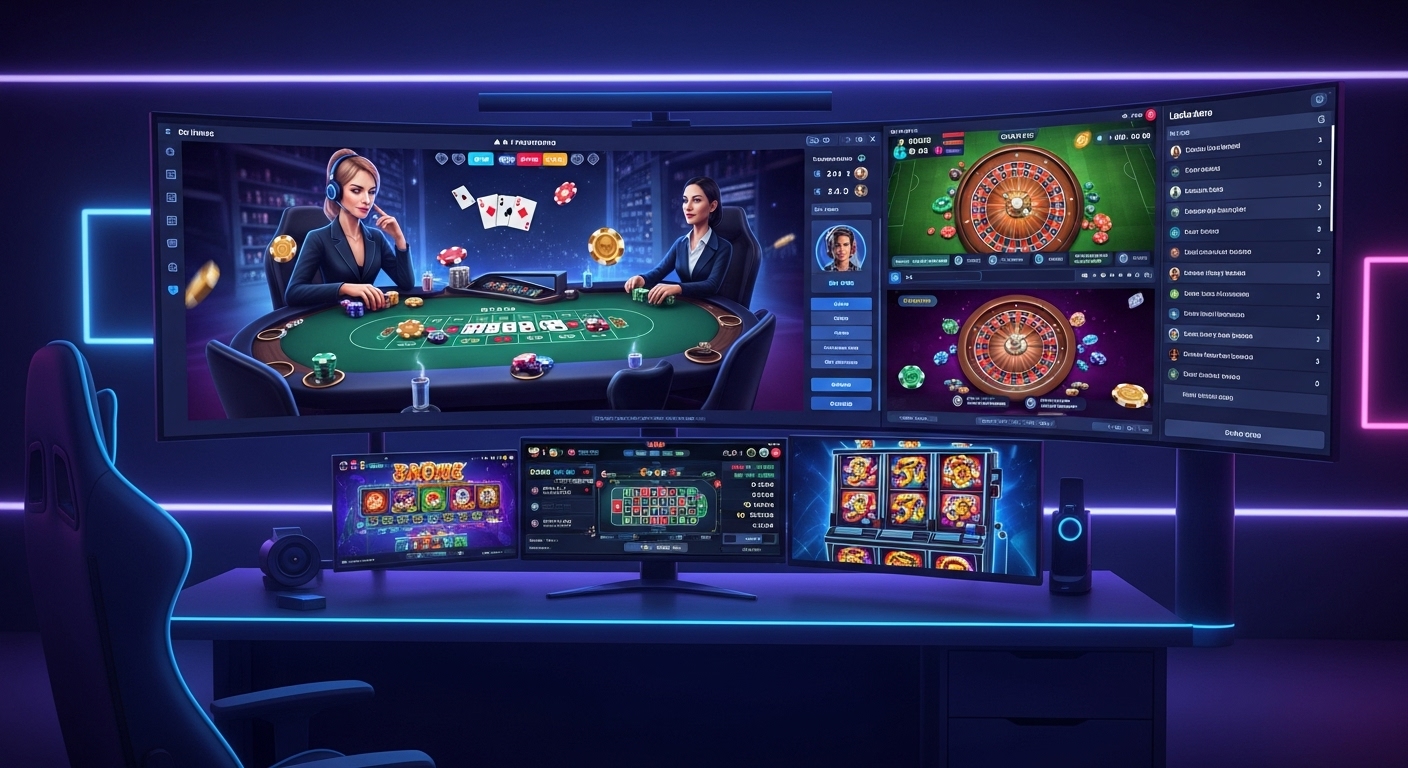
Live dealer games, in particular, have transformed the digital casino experience. Players can interact with professional dealers in real-time while observing other participants, creating an environment similar to physical casinos. This combination of human interaction and digital convenience enhances engagement and fosters loyalty among players.
Social interaction is further strengthened through gamification. Platforms offer reward systems, leaderboards, and achievements that encourage players to compete and collaborate. These features provide a sense of progression and accomplishment, making the gaming experience more satisfying and immersive.
Diverse Game Categories and Experiences
iGaming offers a wide range of game categories that appeal to diverse audiences. Traditional casino games such as poker, blackjack, roulette, and baccarat remain highly popular, especially in live formats. Slot games are another favorite, often featuring creative themes, bonus rounds, and progressive jackpots that keep players engaged.
In addition to traditional games, iGaming now includes skill-based games, fantasy sports, and eSports betting. These formats appeal to users who enjoy strategy and knowledge-based gameplay rather than pure luck. eSports betting, in particular, has seen rapid growth due to the rising popularity of competitive gaming and streaming platforms.
Virtual reality (VR) and augmented reality (AR) are also expanding the scope of game experiences. These technologies allow players to step into fully immersive worlds, walk around virtual casinos, or interact with digital elements in ways that were previously impossible. The integration of VR and AR creates more engaging and realistic gaming environments.
Responsible Gaming and Industry Integrity
As iGaming grows, responsible gaming has become a critical focus. Platforms are increasingly implementing features that promote safe and controlled gameplay. These include spending limits, session timers, self-exclusion tools, and monitoring of player behavior to detect problematic patterns.
Education is another important aspect. Many platforms provide resources to help users understand the risks of gambling and recognize signs of addiction. Collaborations with mental health organizations and regulatory authorities ensure that responsible gaming practices are embedded into platform operations.
Maintaining integrity and transparency is essential for the long-term sustainability of iGaming. Platforms that prioritize fairness, secure transactions, and ethical practices foster trust among users, encouraging continued engagement and loyalty.
Regulation and Legal Frameworks in iGaming
Regulation is a key factor shaping the growth of the iGaming industry. Different countries have distinct legal frameworks, licensing requirements, and compliance standards. While the regulatory landscape can be complex, it serves to protect players, ensure fair gaming, and maintain industry credibility.
Licensed operators must adhere to strict standards regarding security, fairness, and financial transparency. These regulations provide players with confidence that the games are legitimate and that their personal and financial data is protected.
Additionally, regulations encourage innovation by creating a stable environment for operators and developers. Platforms can explore new technologies and gaming experiences with the assurance that they operate within legal boundaries. This regulatory stability is essential for continued industry growth and player satisfaction.
Economic and Employment Impact of iGaming
The economic significance of iGaming extends beyond entertainment. The industry generates billions in revenue worldwide and supports numerous employment opportunities. Jobs range from software development, cybersecurity, and digital marketing to customer support, game design, and operations management.
Tax revenue generated from licensed platforms benefits local economies, funding public services and infrastructure projects. In some regions, iGaming has become a significant contributor to the digital economy, fostering innovation, entrepreneurship, and international collaboration.
The industry’s economic influence also extends to related sectors such as media, eSports, and technology, creating a network of opportunities that benefits a wide array of professionals and businesses.
Emerging Trends Shaping the Future of iGaming
The future of iGaming is set to be shaped by several emerging trends. Virtual reality and augmented reality will become more prevalent, creating fully immersive experiences that blend physical and digital worlds. Players may soon explore virtual casinos, participate in interactive tournaments, and experience games as if they were physically present.
Blockchain technology and cryptocurrencies are also poised to play a major role. They offer secure, transparent, and fast transactions, appealing to players who prioritize privacy and efficiency. Blockchain can also ensure fairness in games through tamper-proof verification systems.
Artificial intelligence will continue to enhance personalization, engagement, and customer support. Predictive analytics will help platforms understand player behavior, tailoring experiences to individual preferences and maximizing enjoyment.
Cross-platform gaming is another key trend. Players will be able to switch seamlessly between mobile, desktop, and console devices, enjoying uninterrupted gameplay without losing progress or rewards.
Conclusion
iGaming has moved far beyond its early days of basic online games. It has become a sophisticated, global industry that combines technology, entertainment, and social interaction in innovative ways. From mobile gaming to live dealer experiences, fantasy sports, and eSports betting, the industry offers something for everyone.
The integration of artificial intelligence, virtual reality, and blockchain technology promises an even more immersive and secure future for players. As regulations, responsible gaming practices, and technological innovations continue to evolve, iGaming is set to remain a dominant force in digital entertainment.
For players, the future of iGaming represents limitless possibilities for engagement, social interaction, and personalized experiences. For the industry, it signals a continued trajectory of growth, innovation, and global expansion. The iGaming revolution is not just a trend; it is a permanent shift in the way people experience digital entertainment.