
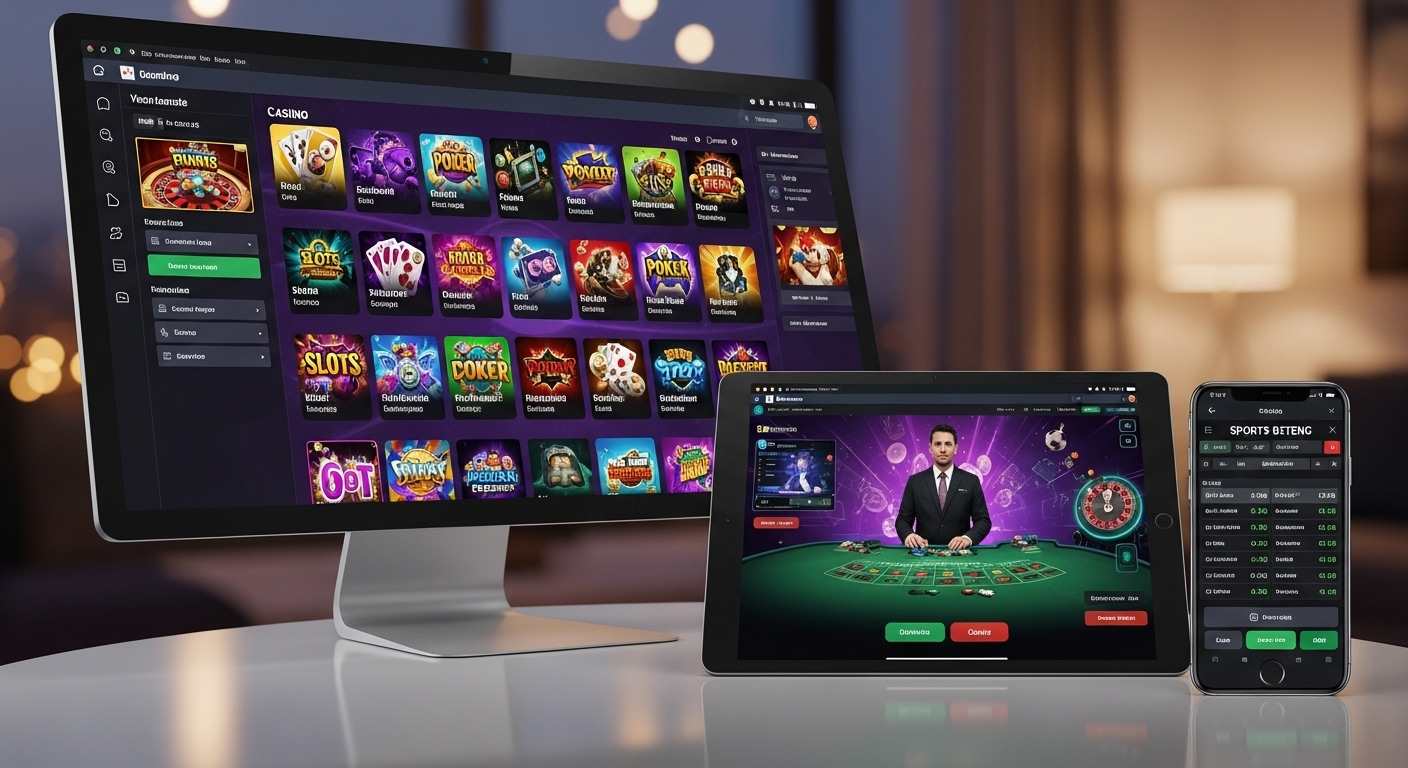
The world of entertainment has evolved at a rapid pace over the last two decades, and one area that has seen significant growth is iGaming. With the rise of technology, the convenience of online platforms, and a global reach, iGaming has quickly become a billion-dollar industry. This sector, which encompasses online casinos, sports betting, and other forms of interactive gaming, has reshaped how people engage with games of chance and skill. In this post, we’ll explore the rise of iGaming, what makes it unique, and why it continues to thrive in the digital age.
What is iGaming?
iGaming refers to any type of gambling or gaming activity that takes place via the internet. This includes online casinos, sports betting, poker, bingo, and even fantasy sports. The core appeal of iGaming lies in its accessibility; players can participate in a variety of gaming activities from the comfort of their own homes or on the go, using smartphones, tablets, or computers. This convenience, paired with the sheer variety of games available, has made iGaming a dominant force in the entertainment sector.
The Evolution of iGaming: From Land-Based to Online
The iGaming industry didn’t develop overnight. It has evolved from traditional land-based gambling, where players would visit physical casinos or sports betting establishments, to an entirely digital ecosystem. The first online casino appeared in the mid-1990s, with platforms like Microgaming and Cryptologic setting the groundwork for a new era of gambling.
The industry grew as internet access became more widespread and technology improved. Today, iGaming platforms are not just websites with static games—they are fully immersive experiences, often with live dealers, interactive elements, and real-time sports betting. The ability to place a bet on your favorite team from anywhere in the world or to sit at a virtual blackjack table with players from across the globe is what makes iGaming so captivating.
Why iGaming is Thriving in the Digital Age
The primary reason iGaming continues to thrive is its accessibility. With just a smartphone or computer, anyone can access a vast array of games 24/7. Unlike land-based casinos that are confined to specific locations and operating hours, iGaming platforms are available around the clock, allowing users to play whenever they desire. This level of convenience is a game-changer in the gambling world.
Additionally, advancements in mobile technology have made iGaming more accessible than ever. Players can download dedicated apps or access gaming websites through their browsers, enjoying seamless experiences on their devices. The popularity of mobile gaming has also led to the development of more interactive and engaging platforms, with features like augmented reality (AR) and virtual reality (VR) becoming more prevalent.
The Social Aspect of iGaming
While iGaming is often associated with individual play, many platforms are also designed to foster social interaction. Online poker tournaments, multiplayer casino games, and live dealer options create a sense of community, allowing players to interact with one another. Players can chat, compete, and celebrate victories together, which adds a layer of excitement and social engagement that is often lacking in traditional offline gambling.
Sports betting, in particular, is becoming increasingly social, with players joining betting pools or engaging with other bettors on dedicated forums. The social features of iGaming have enhanced its appeal, making it feel less like a solitary activity and more like an interactive entertainment experience.
The Growth of Online Sports Betting
Sports betting has long been a major component of iGaming, but recent changes in legislation have contributed to its explosive growth. In many parts of the world, including the United States, the legalization of online sports betting has opened up new opportunities for players to wager on their favorite sports, from football and basketball to esports and niche markets.
This growth has been fueled by better odds, faster payouts, and more varied betting options. Online sports betting platforms allow users to place in-play bets, which means they can bet on a game while it’s happening, adding another level of excitement to the viewing experience. In many cases, users can also access live-streaming of events, making the overall experience even more engaging.
The Role of Technology in Shaping iGaming
Technology plays a pivotal role in the development and expansion of iGaming. The industry has adopted cutting-edge technologies to enhance user experience, improve game security, and create innovative gameplay features. Artificial intelligence (AI) is used to analyze player behavior, recommend personalized games, and even manage customer support through chatbots.
Blockchain technology is also making waves in iGaming, particularly in the areas of transparency and fairness. Blockchain allows for secure, traceable transactions, which is especially important in online gambling where trust is a major factor. Cryptocurrencies like Bitcoin have further fueled the growth of iGaming by offering players a more secure, anonymous method of payment.
The Legal Landscape of iGaming
Despite its rapid growth, iGaming is still subject to a complex and evolving legal landscape. Laws surrounding online gambling vary significantly from country to country and even within different states or regions. While some areas have fully legalized and regulated iGaming, others maintain strict restrictions or outright bans.
Regulation is crucial to ensure fairness and protect consumers from fraud or exploitation. Many countries have set up licensing systems to oversee online gaming operations, ensuring that platforms adhere to strict standards of safety, fairness, and responsible gaming. However, as the industry continues to grow, there is an ongoing push for more universal regulations that can streamline the global iGaming market.
Responsible Gaming and Player Protection
With the growth of iGaming, there has been an increasing emphasis on responsible gaming practices. Operators are now more focused on player protection, offering tools like self-exclusion, setting deposit limits, and providing resources for those affected by gambling addiction. Many platforms also promote safe gaming environments, ensuring that users are aware of the risks and have access to support if needed.
The shift toward responsible gaming reflects the industry’s commitment to providing a safe and enjoyable experience for players, helping to maintain a positive reputation in the face of growing scrutiny.
The Future of iGaming
The future of iGaming is promising, with advancements in technology continuing to shape the industry. Virtual and augmented reality may transform the online gambling experience, making it more immersive and interactive. The integration of esports into the iGaming ecosystem also presents exciting opportunities, especially as younger audiences increasingly engage with competitive gaming.
As the industry continues to evolve, it’s clear that iGaming will remain at the forefront of digital entertainment. Whether through mobile apps, live gaming experiences, or AI-driven personalization, iGaming is constantly adapting to meet the needs of players around the world.
Conclusion
iGaming is no longer just a passing trend—it’s a dynamic and rapidly growing industry that has revolutionized the way people engage with gaming and gambling. With its accessibility, social interaction, technological innovation, and potential for global reach, iGaming is set to continue its upward trajectory. For both players and operators, the future looks bright, offering new opportunities for entertainment, engagement, and innovation in the digital gaming space.