
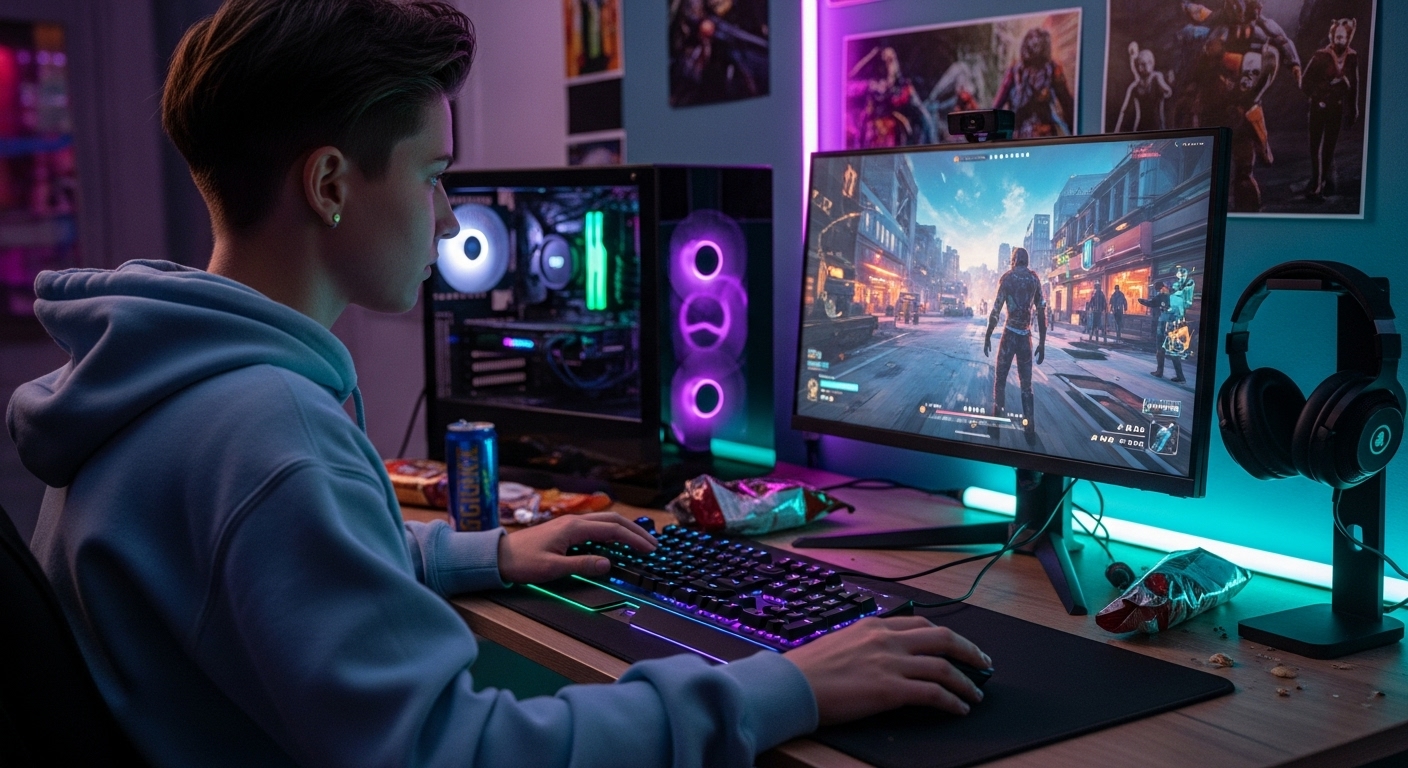
In the world of esports, competition is fierce, the pace is relentless, and the pressure to perform at peak levels is constant. Players are expected to maintain razor-sharp reflexes, lightning-fast decision-making, and deep strategic understanding. To achieve and sustain these abilities, professional gamers dedicate countless hours to practice. However, while practice is undeniably crucial, rest is equally important—yet often overlooked. The balance between intense training and adequate rest determines not only a player’s performance but also their longevity in the industry.
This blog explores the vital relationship between practice and rest in esports. It examines how overtraining can harm performance, why rest enhances skill development, and how players and teams can build sustainable routines to stay at their best.
The Demands of Competitive Esports
Esports has evolved into a global phenomenon where millions of fans watch professional players compete across games like League of Legends, Counter-Strike, Valorant, and Dota 2. To compete at the top, professional players often practice for 8 to 12 hours a day. This practice involves scrimmages, reviewing gameplay footage, theory discussions, and mechanical drills.
Such demanding schedules are designed to build muscle memory and enhance coordination between teammates. Success in esports requires more than just talent; it demands precision, discipline, and teamwork honed through relentless effort. Every mistake can cost a tournament, and every second counts during matches, making consistent practice essential.
However, this high-pressure training environment can come with significant downsides. Without proper rest, players risk burnout, fatigue, and mental exhaustion—factors that can erode even the most refined skills.
The Importance of Practice in Esports
In traditional sports, athletes practice to strengthen their bodies and improve their techniques. In esports, practice serves a similar purpose but focuses on the mind and motor coordination. Effective practice helps players:
- Improve Mechanical Skills – Players must master intricate controls and movements. Precision in aiming, timing, and quick reactions are developed through repeated practice.
- Enhance Game Knowledge – Every professional gamer must understand maps, strategies, and opponent behaviors. Practice helps them anticipate enemy moves and develop effective counter-strategies.
- Build Team Coordination – Esports titles often require teamwork. Regular practice sessions strengthen communication and understanding among teammates, leading to better synchronization during matches.
- Develop Adaptability – The esports landscape constantly evolves. New patches, balance changes, and meta shifts require players to adjust quickly. Consistent practice ensures they remain flexible and ready for any changes.
- Increase Mental Resilience – High-stress environments can overwhelm players. Continuous practice helps develop the mental toughness necessary to stay calm under pressure.
However, practice can only yield positive results when it is structured, purposeful, and balanced with recovery. Overdoing it can lead to a decline in both physical and mental health.
The Dangers of Overtraining
In esports, overtraining is a common issue. The competitive nature of gaming drives many players to believe that more hours of practice automatically lead to better performance. But the reality is quite different. Beyond a certain point, excessive practice begins to harm rather than help.
1. Mental Fatigue:
Constant focus and concentration drain cognitive energy. Long gaming sessions without sufficient breaks lead to mental exhaustion. When the brain is fatigued, reaction times slow down, decision-making becomes less accurate, and errors increase.
2. Burnout:
Burnout is one of the most serious consequences of overtraining. Players experience emotional exhaustion, loss of motivation, and sometimes even depression. Many promising players have retired early due to burnout, unable to maintain the relentless pace.
3. Physical Strain:
Esports may not involve physical exertion like traditional sports, but it still takes a toll on the body. Hours of sitting in one position and constant hand movement can cause wrist pain, carpal tunnel syndrome, eye strain, and back problems.
4. Decline in Performance:
Ironically, overtraining can lead to diminishing returns. When players push themselves beyond their limits, they often make more mistakes, lose focus, and struggle to retain new information.
5. Disrupted Sleep Patterns:
Many players train late into the night, disrupting their circadian rhythms. Poor sleep reduces alertness, memory, and problem-solving skills—all of which are vital for competitive play.
Overtraining doesn’t just impact individual players; it affects entire teams. When one member is fatigued or burned out, the team’s synergy suffers, leading to poorer results in tournaments.
The Role of Rest and Recovery
Rest is not a sign of weakness—it is a critical part of improvement. Rest allows the brain and body to recover, solidify new skills, and prepare for the next round of training. For esports players, rest encompasses more than just sleep; it includes mental relaxation, physical care, and balanced routines.
1. The Power of Sleep:
Sleep is the most effective form of recovery. During deep sleep, the brain consolidates learning and strengthens neural connections formed during practice. Adequate sleep enhances memory, reaction times, and emotional regulation. Professional players who maintain good sleep schedules often perform more consistently than those who do not.
2. Scheduled Breaks:
Short breaks during practice sessions prevent fatigue and improve focus. Studies show that brief pauses between gaming sessions help sustain concentration and reduce the risk of burnout.
3. Mental Recovery:
Activities that engage the mind in a different way—such as meditation, reading, or spending time outdoors—help refresh cognitive functions. Mental rest restores creativity and decision-making abilities.
4. Physical Recovery:
Regular stretching, exercise, and ergonomic setups reduce physical strain. Many esports teams now employ fitness trainers to ensure players maintain physical well-being alongside gaming skills.
5. Social and Emotional Balance:
Connecting with family, friends, or engaging in hobbies outside of gaming contributes to emotional health. A balanced life outside of competition helps players maintain motivation and reduces stress.
Finding the Right Balance
Balancing practice and rest is a personal process. There’s no universal formula that works for every player. However, successful esports organizations and players have developed strategies to maintain this equilibrium.
1. Structured Training Schedules:
Professional teams now rely on structured daily routines. These schedules include fixed hours for practice, review sessions, meals, workouts, and sleep. This approach ensures players perform efficiently without overexertion.
2. Quality Over Quantity:
Effective practice focuses on quality rather than duration. Instead of grinding for endless hours, players can engage in focused sessions with specific objectives—like improving a certain strategy, perfecting communication, or analyzing match replays.
3. Rest Days:
Just as athletes take days off, esports players benefit from rest days. A complete break from gaming allows the mind to reset and the body to recover. Many organizations have started incorporating one or two rest days each week.
4. Performance Monitoring:
Teams use data analysis tools to track player performance and identify fatigue. Reaction time tests, sleep tracking, and psychological assessments help maintain optimal balance.
5. Professional Support:
Top esports teams now hire sports psychologists, nutritionists, and fitness coaches. These experts create personalized routines to improve mental and physical health, ensuring that players stay in top condition for the long term.
The Science Behind Rest and Skill Improvement
Scientific research supports the idea that rest enhances performance. When players take breaks, their brains process and store the information learned during practice. This process, known as memory consolidation, is essential for mastering complex tasks.
Sleep plays a particularly vital role in this process. During deep sleep stages, the brain strengthens connections between neurons, reinforcing the patterns developed during practice. This is why players often find that their performance improves after a good night’s sleep, even if they haven’t practiced further.
In contrast, lack of rest hinders learning. Fatigue reduces the brain’s ability to form new connections, making it harder to adapt or improve. Therefore, rest doesn’t just restore energy—it actively contributes to skill growth.
Lessons from Traditional Sports
Esports can learn valuable lessons from traditional sports. Professional athletes understand that rest is just as important as training. Football players, for instance, have carefully designed schedules with rest periods to prevent injury and maintain performance.
Similarly, esports organizations are beginning to adopt this philosophy. They recognize that cognitive fatigue can be just as damaging as physical injury. Rest days, proper nutrition, and fitness routines are becoming standard in the esports world, helping players extend their careers.
Athletes also emphasize mental conditioning. Visualization, mindfulness, and relaxation techniques are part of many sports training programs. These same practices can benefit esports players by enhancing focus and managing stress.
The Role of Team Culture in Promoting Balance
Team culture plays a major role in how players balance practice and rest. In some teams, there’s pressure to constantly train to prove dedication. This mindset can lead to burnout. On the other hand, healthy team environments encourage players to take care of themselves.
Managers and coaches set the tone. When they emphasize the importance of well-being, players feel supported in taking breaks when necessary. Teams that value mental health often perform better in the long run because their players remain motivated and engaged.
Creating an open environment where players can discuss fatigue or stress is crucial. Mental health awareness is slowly gaining traction in esports, with many organizations providing access to therapists or counselors. This shift marks an important step toward sustainability in the industry.
How Players Can Build Personal Balance
While teams and organizations play a key role, individual players must also take responsibility for maintaining balance. Here are practical steps they can follow:
- Set Realistic Goals: Instead of endless grinding, focus on achievable objectives for each practice session.
- Listen to the Body and Mind: Recognize signs of fatigue, stress, or frustration. Taking short breaks can prevent burnout.
- Prioritize Sleep: Establish a consistent sleep schedule and avoid late-night gaming sessions whenever possible.
- Engage in Physical Activity: Exercise helps improve posture, blood circulation, and mental clarity.
- Maintain Healthy Nutrition: Balanced meals support cognitive performance and stamina.
- Take Time Off: Occasionally step away from the screen completely to enjoy hobbies, socialize, or relax.
Building these habits not only improves gameplay but also enhances overall quality of life.
The Future of Health and Balance in Esports
The esports industry is maturing, and with it comes a greater understanding of player health. Teams now invest in training facilities that include gyms, wellness rooms, and sleep pods. Esports organizations are collaborating with medical professionals to study the effects of gaming on the body and mind.
Future developments may include more advanced monitoring systems that track fatigue, reaction times, and cognitive performance in real-time. With these tools, teams can adjust training schedules dynamically to maintain balance.
Moreover, as the conversation around mental health continues to grow, younger players entering the industry will likely receive better guidance on maintaining a healthy lifestyle. This evolution marks a positive step toward making esports a sustainable career path rather than a short-lived pursuit.
Conclusion
Balancing practice and rest in esports is not merely a matter of convenience—it is a necessity for long-term success. The world of competitive gaming demands exceptional focus, skill, and discipline, but these can only be maintained when players allow themselves time to recover.
Too much practice without adequate rest leads to burnout, physical pain, and declining performance. On the other hand, a well-balanced routine that incorporates structured practice, proper sleep, physical activity, and mental relaxation helps players stay sharp and motivated.
As esports continues to grow, understanding the importance of this balance will define the future of the industry. The best players will not only be those who train the hardest but also those who rest the smartest. True mastery in esports comes from knowing when to push forward and when to step back—a balance that turns good players into great champions.